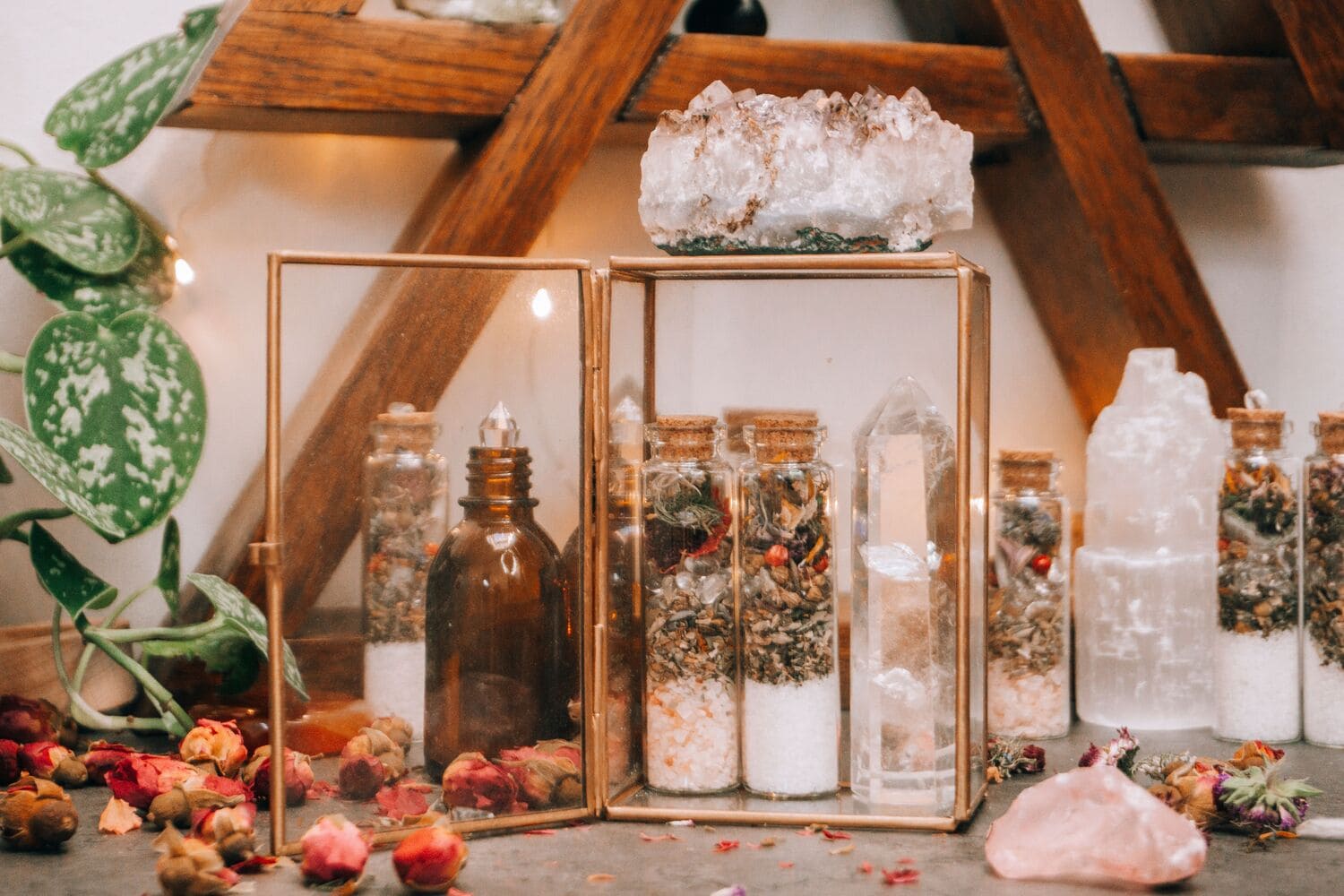
More Than Objects | The Symbolism Behind Traditional Love Spell Ingredients
Throughout history, people from many cultures have used natural objects to express hope, love, commitment, and spiritual intention. Long before modern relationships relied on text messages or dating apps, ceremonies involving herbs, flowers, candles, and meaningful keepsakes were part of celebrations, blessings, and personal rituals.
Today, these traditional items are often associated with love spell ingredients. While different spiritual traditions use different combinations, many practitioners view these ingredients not as magical objects in themselves but as symbols that represent specific intentions such as affection, reconciliation, harmony, or emotional healing.
For example, a rose may represent love and appreciation, while honey has traditionally symbolized kindness and sweetness within relationships. A candle may represent light, clarity, and focused intention.
Understanding the symbolism behind these ingredients helps explain why they continue to appear in spiritual traditions across Africa, Europe, Asia, and many other parts of the world.
Whether you are simply curious about these customs or seeking spiritual guidance, learning about traditional love spell ingredients provides valuable insight into the beliefs and practices that have been passed down through generations.
To better understand why different ingredients are used, read our complete guide on How Love Spells Work.
Ingredient Reflection
One of the most beautiful aspects of traditional spiritual practice is that ordinary natural items often carry extraordinary symbolic meaning.
Rather than asking, “Which ingredient is the most powerful?” many practitioners encourage asking:
“What intention does this ingredient represent?”
It is the purpose behind the ritual, not the object itself, that gives each ingredient its significance.
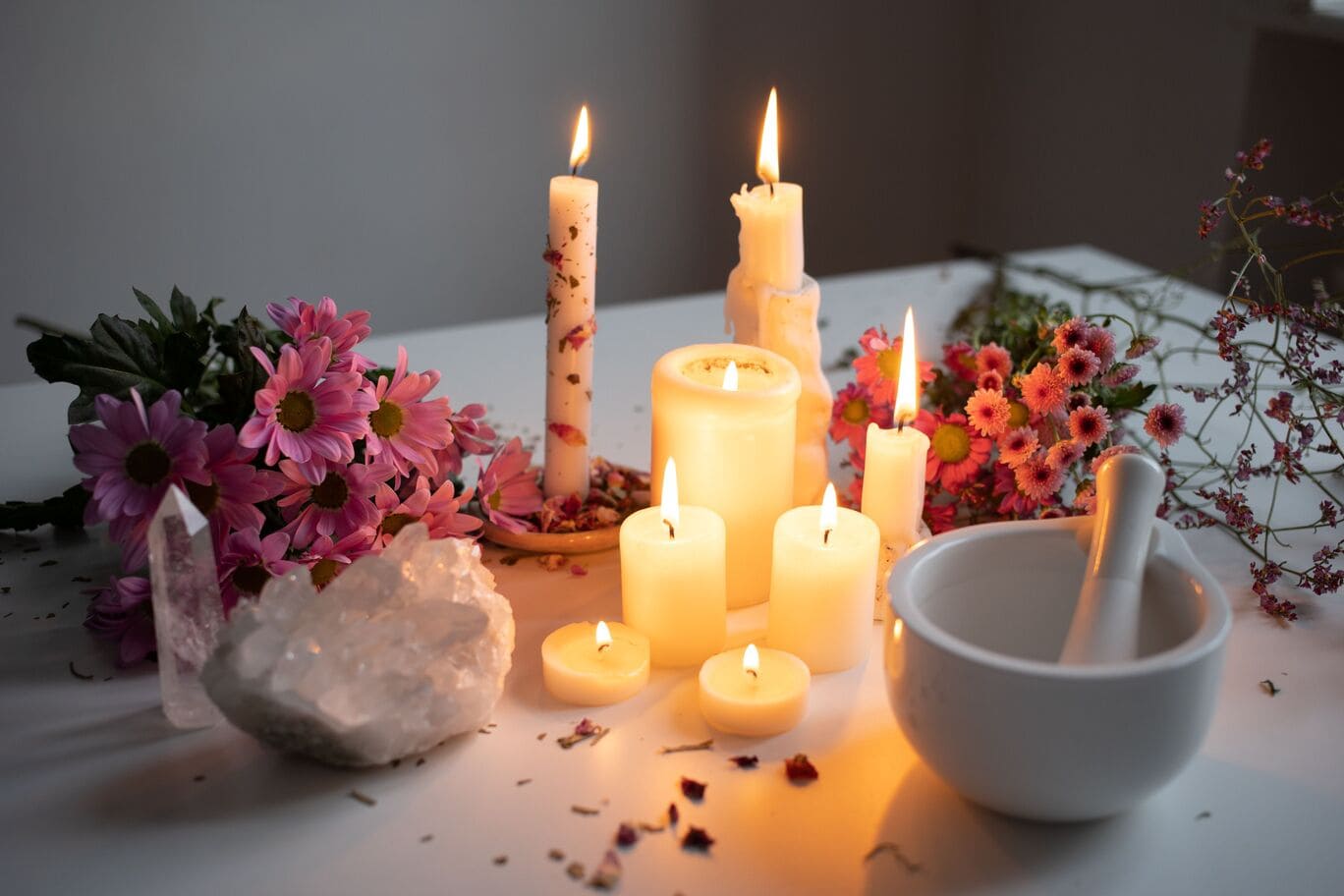
Why Are Ingredients Used in Traditional Love Rituals?
Across many cultures, natural objects have long been used to express hopes, prayers, and intentions.
Flowers have been exchanged to express affection.
Candles have illuminated ceremonies marking important life events.
Herbs have appeared in blessings, celebrations, and cleansing traditions.
Crystals have been valued for their beauty and symbolic associations.
In spiritual relationship practices, these ingredients help create a meaningful environment where individuals can focus their thoughts, emotions, and intentions.
Each ingredient represents a different quality that people hope to encourage in their relationships.
For example:
- Peace
- Trust
- Commitment
- Passion
- Forgiveness
- Harmony
- Emotional healing
- New beginnings
Although traditions vary from one culture to another, the underlying message remains remarkably similar:
The symbols chosen should reflect the intention behind the ritual.
If you’re hoping to attract someone new, explore our guide to Attraction Love Spells.
Traditional Wisdom
Many experienced practitioners explain that no single ingredient guarantees results.
Instead, carefully selected symbolic items help create a meaningful ceremony that reflects the hopes, values, and intentions of the individual seeking spiritual guidance.
Choosing Ingredients Based on Your Relationship Goal
Different relationship situations traditionally call for different symbolic ingredients.
While practices vary, many spiritual traditions select natural items according to the emotional intention behind the ceremony rather than using the same ingredients for every ritual.
| Relationship Goal | Traditionally Associated Ingredients |
|---|---|
| Attracting New Love | Rose petals, jasmine, rose quartz, pink candle |
| Marriage & Commitment | White candle, frankincense, myrrh, gold ribbon |
| Reconciliation | Honey, lavender, red candle, rose petals |
| Emotional Healing | Chamomile, white flowers, clear quartz |
| Relationship Harmony | Olive leaves, sandalwood, lavender |
| Self-Love | Rose quartz, vanilla, pink candle |
This thoughtful approach helps explain why experienced practitioners often customize spiritual guidance to suit each person’s circumstances rather than relying on a single formula.
Many of these herbs are traditionally included in Love Spells That Work for different relationship intentions.
Need guidance choosing the right traditional ingredients? Book a confidential consultation with Prof. Eric to discuss your relationship goals.
Traditional Herbs Used in Love Spell Practices
For centuries, herbs have held an important place in spiritual ceremonies, blessings, and relationship traditions across many cultures. Their pleasant fragrances, natural beauty, and long-standing symbolism have made them popular additions to rituals centered on love, harmony, and emotional well-being.
Different herbs are traditionally associated with different intentions, and practitioners often choose them according to the purpose of the ceremony rather than following a fixed recipe.
Below are some of the most recognized herbs used in traditional love-related practices.
Rose Petals – The Universal Symbol of Love
Few natural ingredients are as closely associated with romance as the rose.
Across many cultures, rose petals have symbolized the following:
- Love
- Compassion
- Romance
- Beauty
- Appreciation
- Emotional openness
Fresh or dried rose petals are traditionally included in ceremonies intended to celebrate affection, strengthen emotional bonds, or encourage new romantic beginnings.
Traditional Uses
- Attraction rituals
- Marriage blessing ceremonies
- Romantic altar decorations
- Anniversary celebrations
- Relationship gratitude rituals
Lavender – Peace and Emotional Harmony
Lavender has long been valued for its calming fragrance and its traditional association with emotional balance.
Many practitioners include lavender when the intention is to encourage the following:
- Peace
- Forgiveness
- Calm communication
- Emotional healing
- Relationship harmony
Lavender is particularly popular in ceremonies performed after misunderstandings or periods of emotional stress.
Cinnamon – Warmth and Passion
Cinnamon appears in many spiritual traditions around the world.
Its rich aroma has traditionally symbolized the following:
- Passion
- Energy
- Vitality
- Motivation
- Positive transformation
Within love rituals, cinnamon is often included when couples hope to rekindle affection or strengthen emotional warmth.
Ingredient Spotlight
Cinnamon
Traditional Meaning
Warmth • Attraction • Positive Energy • Renewed Passion
Basil – Trust and New Beginnings
In many traditions, basil represents the following:
- Trust
- Loyalty
- Prosperity
- Fresh starts
- Positive relationships
Some practitioners include basil in ceremonies focused on rebuilding relationships or beginning new chapters after previous disappointments.
Chamomile – Healing the Heart
Chamomile has traditionally been associated with the following:
- Comfort
- Emotional healing
- Patience
- Inner peace
- Gentle renewal
Its calming qualities make it a popular ingredient in rituals centered on self-care and emotional recovery following heartbreak.
The Missouri Botanical Garden offers educational resources about herbs, medicinal plants, and their historical uses across different cultures.
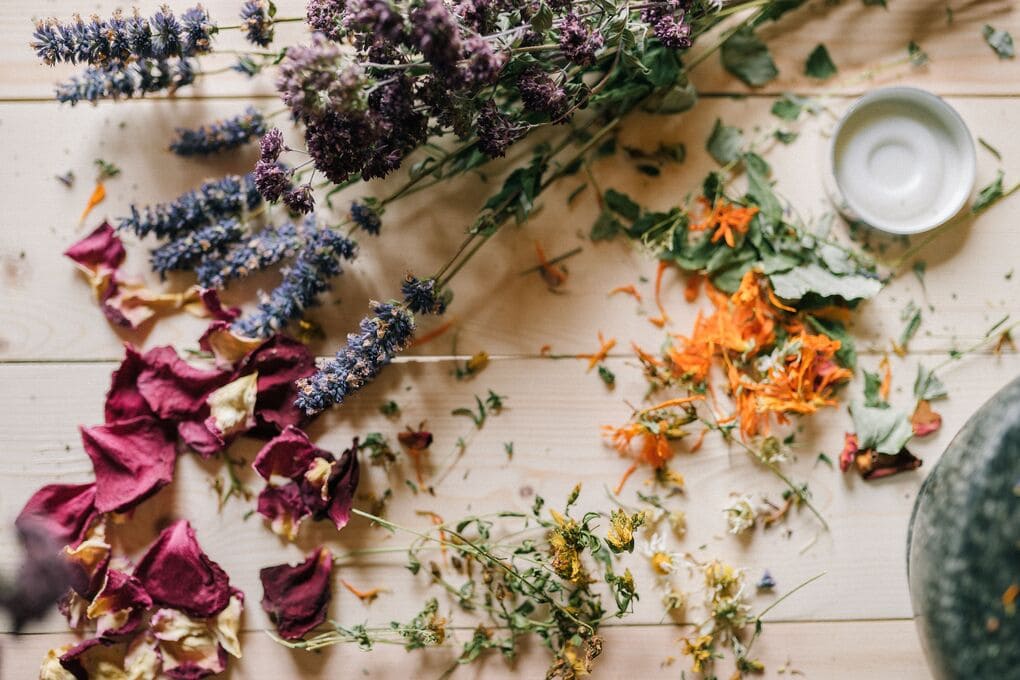
Herbal Wisdom
Experienced practitioners often explain that herbs are selected according to their symbolic meaning rather than because they possess independent spiritual power.
The intention behind the ceremony remains just as important as the ingredients themselves.
Flowers Traditionally Associated with Love and Relationships
Flowers have been exchanged as symbols of affection for thousands of years.
Their colors, fragrances, and seasonal beauty have inspired countless traditions centered on love, marriage, and celebration.
Below are several flowers commonly associated with relationship rituals.
Red Roses
Represent:
- Deep affection
- Romance
- Devotion
- Lasting commitment
Often used during:
- Romantic ceremonies
- Commitment rituals
- Anniversary blessings
White Roses
Represent:
- Honesty
- Purity
- New beginnings
- Lifelong commitment
Frequently included in:
- Marriage blessings
- Wedding ceremonies
- Relationship renewal rituals
Jasmine Flowers
Jasmine has traditionally symbolized the following:
- Attraction
- Joy
- Beauty
- Positive relationships
Its sweet fragrance makes it popular within many attraction-focused traditions.
Hibiscus
In several cultures, hibiscus is associated with:
- Feminine energy
- Beauty
- Romance
- Emotional confidence
Some practitioners include hibiscus when encouraging confidence before entering new relationships.
Flower Reflection
Flowers naturally fade over time.
Many spiritual teachers use this as a reminder that healthy relationships also require regular care, appreciation and attention if they are to continue flourishing.
The Royal Horticultural Society provides extensive information about growing and caring for many traditional flowers used in cultural and ceremonial practices.
Candles and Their Traditional Symbolic Meanings
Candles appear in spiritual ceremonies across many cultures.
Rather than the candle itself being considered important, practitioners often focus on the symbolic meaning represented by its colour and the intention with which it is used.
White Candle
Traditional Symbolism:
- Purity
- Healing
- Protection
- New beginnings
- Honest intentions
Often included in:
- Marriage rituals
- Spiritual cleansing
- Relationship blessings
Red Candle
Traditionally represents:
- Passion
- Romance
- Emotional strength
- Commitment
- Courage
Frequently used in attraction and reconciliation traditions.
Pink Candle
Represents:
- Gentle affection
- Compassion
- Friendship
- Emotional understanding
Popular in soulmate and attraction ceremonies.
Purple Candle
Traditionally associated with:
- Spiritual awareness
- Personal wisdom
- Intuition
- Inner guidance
Sometimes included when people seek clarity before making important relationship decisions.
Green Candle
Often symbolises:
- Growth
- Renewal
- Prosperity
- Healthy relationships
Used in ceremonies focused on strengthening long-term partnerships.
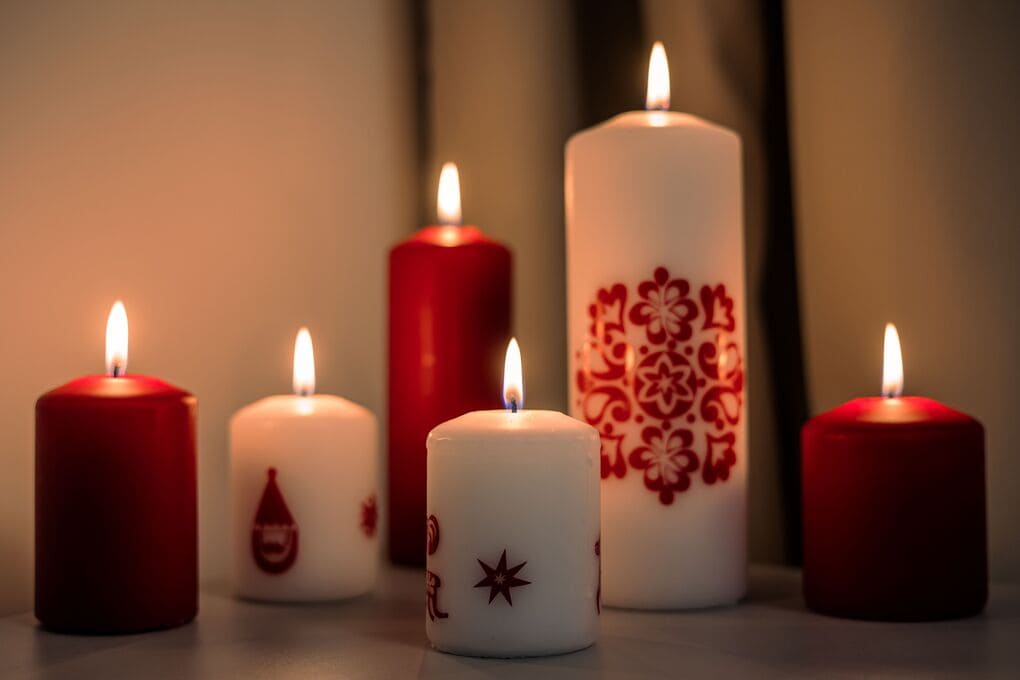
Candle Wisdom
Many practitioners believe that a candle’s flame serves as a visual reminder of focus, hope and positive intention throughout a ceremony.
Crystals Traditionally Linked with Love and Emotional Wellbeing
Across many traditions, crystals are appreciated for their beauty and symbolic associations.
Whether displayed on personal altars or carried as meaningful keepsakes, they often represent emotional qualities rather than guarantees of specific outcomes.
Rose Quartz
Perhaps the best-known crystal associated with love.
Traditionally linked with:
- Compassion
- Kindness
- Self-love
- Emotional healing
- Harmony
Many people keep rose quartz nearby as a reminder to approach relationships with openness and empathy.
Moonstone
Traditionally associated with:
- Intuition
- New beginnings
- Emotional balance
- Spiritual reflection
Often included in soulmate and relationship blessing traditions.
Clear Quartz
Represents:
- Clarity
- Positive intention
- Focus
- Emotional balance
Sometimes used alongside other symbolic ingredients during ceremonies.
Amethyst
Traditionally connected with:
- Inner peace
- Wisdom
- Emotional stability
- Spiritual growth
Some practitioners recommend amethyst when individuals are recovering from emotional disappointment before beginning a new relationship
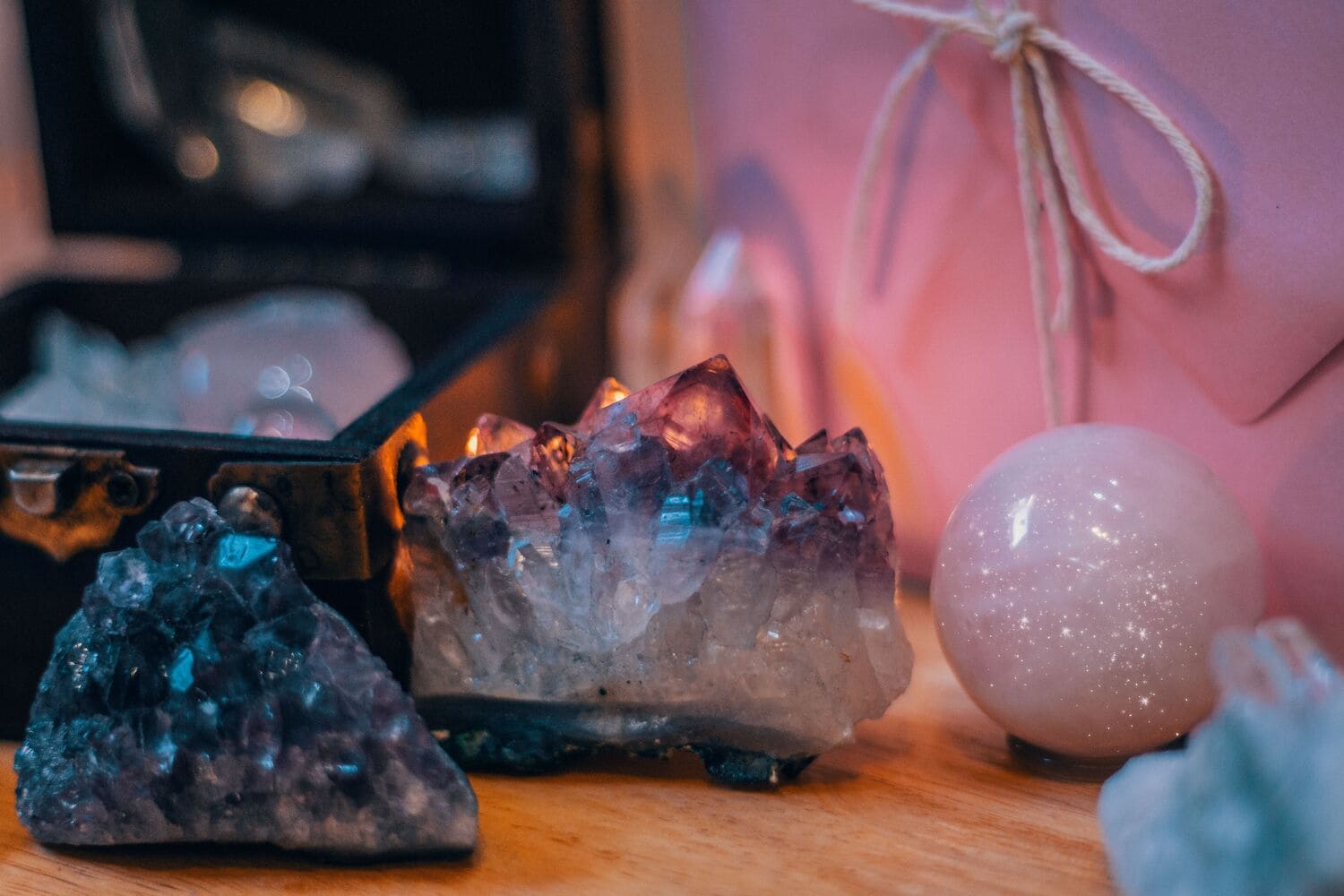
Crystal Reflection
Many traditions teach that crystals are reminders of personal intention and emotional growth.
Rather than relying on the object itself, practitioners encourage people to focus on the qualities each crystal symbolises and how those qualities can be reflected in daily life.
The Gemological Institute of America (GIA) provides educational information about gemstones and crystals, including their geological origins and characteristics.
Traditional Oils, Resins and Natural Elements in Love Rituals
In many spiritual traditions, oils, natural resins and everyday elements are included alongside herbs and flowers to create meaningful ceremonies. Each ingredient is chosen for its traditional symbolism and the intention it represents.
Although practices differ across cultures, these items are commonly associated with love, healing, protection and emotional harmony.
Honey – Sweetness and Harmony
Honey has long symbolised kindness, affection and the desire for harmonious relationships.
In traditional love rituals, honey often represents:
- Sweet communication
- Mutual understanding
- Reconciliation
- Compassion
- Lasting affection
Because of its natural sweetness, honey is frequently included in ceremonies intended to encourage forgiveness or restore warmth between partners.
Traditionally Used In
- Return Lost Love rituals
- Marriage blessing ceremonies
- Relationship harmony rituals
Spring Water – Purity and New Beginnings
Water has always been associated with cleansing and renewal.
Many traditions use fresh spring water to symbolise:
- Emotional cleansing
- Fresh starts
- Spiritual renewal
- Letting go of past pain
Some practitioners sprinkle water around a sacred space before beginning a ceremony as a symbolic act of preparing for positive change.
Sea Salt – Cleansing and Protection
Sea salt has appeared in spiritual traditions around the world for centuries.
It is traditionally associated with:
- Protection
- Cleansing
- Removing negativity
- Creating sacred space
Sea salt is often used before other ritual ingredients are introduced, symbolising the clearing of emotional or spiritual burdens.
Sandalwood – Calmness and Devotion
Sandalwood has been valued for generations because of its rich fragrance and association with peace.
Traditionally it represents:
- Calmness
- Spiritual focus
- Emotional balance
- Devotion
- Inner peace
Many practitioners include sandalwood incense during meditation or relationship blessing ceremonies.
Frankincense – Sacred Blessings
Frankincense has been used in religious and spiritual ceremonies for thousands of years.
Within traditional relationship practices it often symbolises:
- Blessings
- Spiritual connection
- Respect
- Purity of intention
Myrrh – Wisdom and Endurance
Myrrh is traditionally associated with:
- Patience
- Emotional strength
- Lasting commitment
- Spiritual maturity
Some marriage and commitment rituals include myrrh to represent the endurance needed to build lifelong relationships.
Ingredient Spotlight
Frankincense & Myrrh
These two traditional resins have often been used together in spiritual ceremonies across different cultures.
While each has its own symbolism, together they commonly represent:
- Blessings
- Faith
- Commitment
- Long-term spiritual growth
Choosing Ingredients for Different Love Intentions
One of the most common misconceptions is that every love ritual uses the same ingredients.
In reality, experienced practitioners often select symbolic items based on the purpose of the ceremony.
Attracting New Love
Traditional ingredients may include:
- Rose petals
- Jasmine flowers
- Rose quartz
- Pink candle
- Cinnamon
- Vanilla oil
These ingredients are commonly associated with attraction, confidence, and openness to new relationships.
Marriage and Commitment
Traditional ingredients may include:
- White candle
- White roses
- Frankincense
- Myrrh
- Gold ribbon
- Olive leaves
These symbolize trust, lifelong partnership, and shared commitment.
These symbolic items are commonly associated with traditions discussed in our Marriage Love Spells guide.
Reconciliation and Lost Love
Common symbolic ingredients include:
- Honey
- Red candle
- Lavender
- Rose petals
- Bay leaves
- Sandalwood
These are often chosen to represent forgiveness, healing, and rebuilding emotional connection. Read more in our guide to Return Lost Love Spells.
Emotional Healing
Traditionally associated ingredients include:
- Chamomile
- White candle
- Clear quartz
- Lavender
- Spring water
These ceremonies focus on personal recovery and emotional well-being before entering a new relationship.
Soulmate Journey
Some traditions use:
- Moonstone
- Rose quartz
- Pink candle
- Jasmine
- Cinnamon
- Fresh roses
These ingredients symbolically represent openness, patience, and hope while preparing for a meaningful relationship.
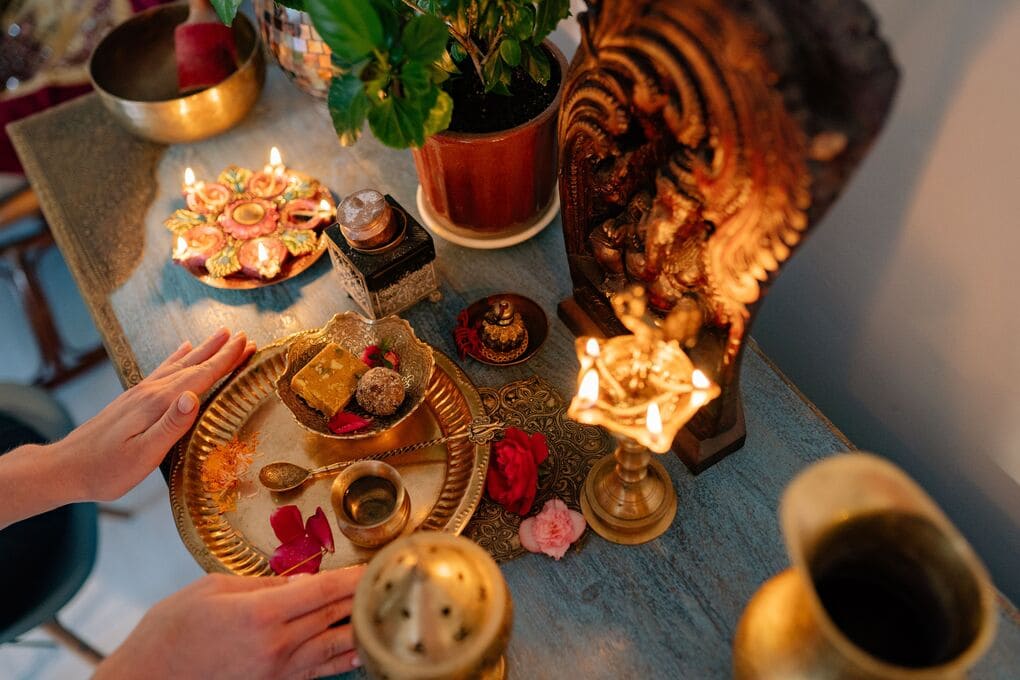
Building a Traditional Love Altar
Across many spiritual traditions, a simple altar or dedicated space is prepared before a ceremony begins. The purpose is not to create something elaborate but to establish an environment that encourages focus, reflection, and positive intention.
A traditional love altar may include:
- A clean white cloth
- Fresh flowers
- A symbolic candle
- A meaningful crystal
- A small bowl of water
- Carefully selected herbs
- A written personal intention
The arrangement varies from one tradition to another, but many practitioners believe the most important element is approaching the ceremony with sincerity, respect, and clear purpose.
Practical Guidance
Before selecting any ingredient, consider asking yourself:
- What intention does this ingredient represent?
- Does it reflect the purpose of my ceremony?
- Am I approaching this ritual with positive intentions?
- Have I created a peaceful environment for reflection?
Thoughtful preparation often becomes just as meaningful as the ceremony itself.
Common Mistakes When Choosing Love Spell Ingredients
While traditions vary, experienced practitioners often encourage avoiding a few common mistakes.
Choosing Ingredients Without Understanding Their Meaning
Selecting items simply because they are popular may reduce the personal significance of a ritual. Learning the symbolism behind each ingredient helps create a more thoughtful and meaningful ceremony.
Using Too Many Ingredients
More ingredients do not necessarily create a better ritual.
Many traditional ceremonies use only a few carefully chosen symbolic items that reflect the specific intention.
Ignoring Personal Intention
Natural ingredients are traditionally viewed as symbols.
Without clear personal intention, even the most carefully arranged ritual may lose much of its meaning.
Forgetting Personal Growth
Many practitioners remind individuals that spiritual traditions work best alongside positive action.
Healthy communication, patience, honesty, and emotional growth remain important foundations for strong relationships.
Final Ingredient Reflection
Whether it is a single rose petal, a lit candle, or the gentle fragrance of lavender, every traditional ingredient tells a story.
These natural symbols remind us that love is nurtured through kindness, patience, understanding, and hope.
Across generations and cultures, people have used these items not only in spiritual ceremonies but also as expressions of appreciation, commitment, and heartfelt intention.
Understanding their symbolism allows us to appreciate the rich traditions that continue to inspire relationship practices today.
Wondering what happens after a ritual? Read Signs a Love Spell Is Working.
Frequently Asked Questions About Love Spell Ingredients
People often have questions about the traditional ingredients used in spiritual love practices. While customs differ across cultures and practitioners, the answers below provide a balanced overview of some of the most common questions.
Can I Use Ordinary Kitchen Herbs?
In many traditions, yes.
Ingredients such as cinnamon, honey, basil, and rosemary have long been used in spiritual and cultural ceremonies because of their symbolic meanings. However, practitioners often encourage selecting ingredients based on their traditional associations and the intention behind the ritual rather than simply using whatever is available.
Are Fresh Ingredients Better Than Dried Ones?
Different traditions have different preferences.
Fresh flowers and herbs are often chosen for ceremonies celebrating new beginnings and growth, while dried herbs may be used because they are easier to preserve and prepare. The symbolism and purpose of the ritual usually matter more than whether the ingredient is fresh or dried.
Why Are Candles Used So Often?
Candles traditionally represent light, focus, and intention.
Their colors are often selected to reflect the purpose of a ceremony, for example, white for purity, pink for affection, and red for passion. Many practitioners view the candle flame as a symbolic reminder to stay focused on positive intentions.
Do Crystals Have to Be Expensive?
No.
Many people choose simple crystals because of their traditional symbolism rather than their size or value. A small piece of rose quartz, for example, is often appreciated as a reminder of compassion, kindness, and emotional openness.
Can I Create My Own Combination of Ingredients?
Some traditions allow for personal adaptation, while others follow specific practices that have been passed down over generations.
If you are unsure which ingredients best match your circumstances, speaking with an experienced practitioner can help you understand the symbolism behind different combinations and choose those that align with your intentions.
Should Every Love Ritual Use the Same Ingredients?
Not at all.
This is one of the biggest misconceptions.
A ceremony intended to encourage reconciliation may use different symbolic ingredients from one centered on preparing for marriage or attracting a new relationship. Many practitioners customize their approach according to the individual’s goals and personal circumstances.
Every relationship is unique. Receive personalised spiritual guidance based on your individual circumstances and intentions.
Traditional Wisdom
The most meaningful rituals are rarely the most complicated.
Throughout history, many traditions have emphasized sincerity, respect, and clear intention over the number of ingredients used.
Natural items become meaningful because of the purpose they represent, not because of their rarity or cost.
Choosing the Right Ingredients with Professional Spiritual Guidance
Learning about traditional ingredients is a valuable first step, but selecting the most appropriate combination for your personal circumstances often requires experience and understanding of different spiritual traditions.
We work with individuals from different backgrounds, offering guidance based on their relationship goals, whether they are seeking:
- A new romantic relationship
- Marriage and commitment
- Reconciliation after separation
- Emotional healing
- Relationship harmony
- Spiritual preparation for a soulmate connection
Rather than relying on a single formula, each consultation considers your unique circumstances and recommends traditional practices that align with your intentions.
Many of these herbs are traditionally included in Love Spells That Work for different relationship intentions.
Final Reflection
Natural ingredients have accompanied humanity’s celebrations of love, commitment, and hope for generations.
From the fragrance of fresh lavender to the beauty of a single rose, these symbols remind us that lasting relationships are built through care, patience, and understanding.
Whether you are exploring spiritual traditions for the first time or have long appreciated their cultural significance, understanding the symbolism behind these ingredients provides a deeper appreciation of how rituals have been practiced across different communities and generations.
Above all, remember that meaningful relationships grow through honesty, communication, mutual respect and personal growth. Spiritual traditions are often viewed as a way of expressing hope and positive intention alongside these important foundations.
Speak with us.
If you would like personalized guidance on traditional love rituals and the symbolic ingredients that best suit your relationship goals, we offer confidential consultations tailored to your circumstances.
Whether you are seeking new love, strengthening an existing relationship, or preparing for marriage, professional guidance can help you better understand the traditions and symbolism behind different