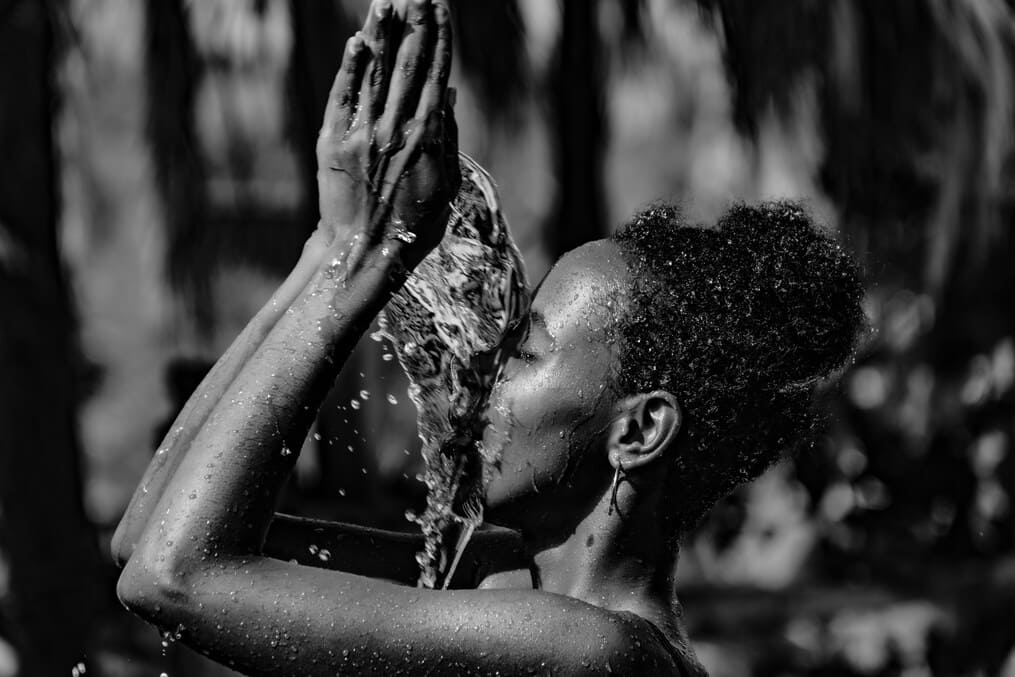
Water has always represented more than physical cleanliness in many cultures. It has been associated with life, renewal, purification, religious devotion, and the transition from one stage of life to another. From ceremonial washing to the use of flowers and herbs in traditional bathing practices, people across the world have found symbolic meaning in the act of cleansing.
This is one reason spiritual cleansing baths continue to attract interest among people exploring traditional spirituality, folk practices and personal renewal.
A spiritual bath is generally understood as a bathing practice that incorporates religious, cultural or symbolic elements. Depending on the tradition, these may include prayers, herbs, flowers, water preparations and personal intentions.
Some people use spiritual bathing as an expression of faith. Others see it as an opportunity to reflect, release emotional burdens, and establish a fresh direction.
But where did these practices originate? Why are certain herbs and flowers associated with spiritual bathing? And are all spiritual baths based on the same beliefs?
Understanding these questions requires looking beyond modern recipes and recognising the different cultural traditions that have given water its spiritual significance.
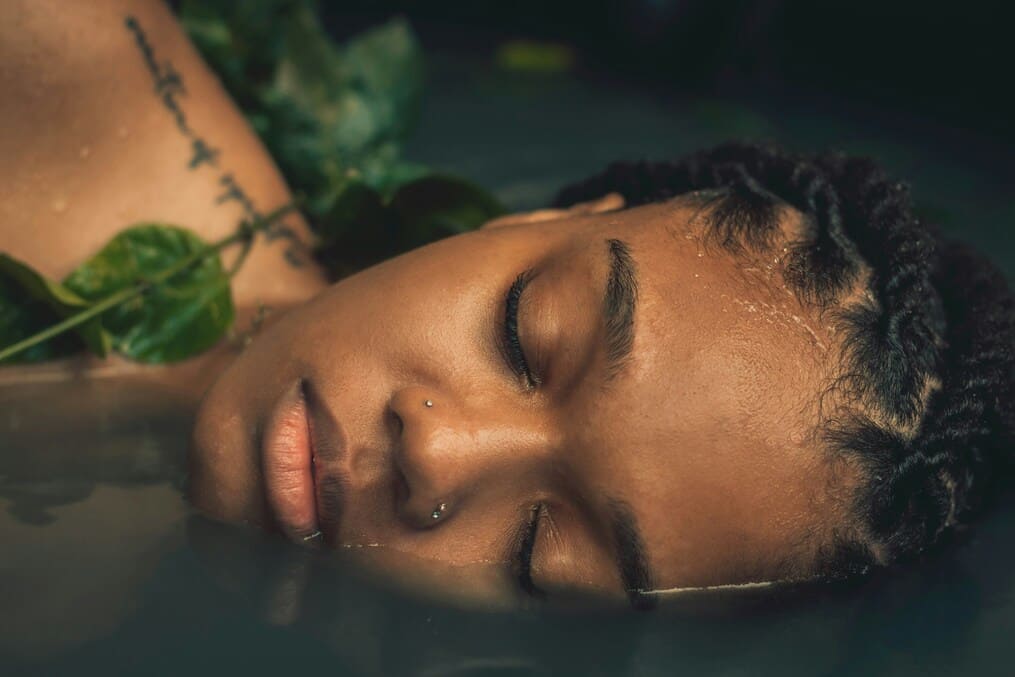
This guide explores the history, symbolism, ingredients, and contemporary interpretations of spiritual bathing. It also explains important differences between cleansing, uncrossing and protection practices.
1. Why Water Has Such an Important Place in Spiritual Traditions
Water is essential to human life, but its importance extends into religion, folklore and cultural identity.
Many communities have used water symbolically to represent purification, preparation, renewal and the beginning of something new.
The meaning of these practices differs considerably.
In some religions, washing is connected with specific rules of ritual purity. In other communities, water may be incorporated into ceremonies, offerings, healing traditions or personal acts of devotion.
Spiritual bathing can therefore be understood through several broad themes.
Purification: Water may represent the removal of physical or symbolic impurity.
Preparation: Washing may take place before prayer, worship, or another important ceremony.
Renewal: Bathing can symbolise leaving an earlier experience behind and beginning again.
Devotion: Some practices involve water as an expression of faith and religious commitment.
Reflection: A quiet bathing routine may provide an opportunity to consider personal decisions and intentions.
These meanings should not be confused with one another. A religious purification ceremony, a traditional herbal bath, and a modern wellness routine may all involve water, but their origins and purposes can be very different.
2. How Spiritual Bathing Developed Across Different Cultures
There is no single origin of spiritual bathing. Similar practices developed in different societies, often independently, according to their own religious beliefs, natural environments, and cultural histories.
Understanding these distinctions is important when researching spiritual cleansing.
African and African Diaspora Traditions
Water has symbolic importance in numerous African religious and cultural traditions.
In some communities, water is connected with life, renewal, purification, and relationships with spiritual forces. Particular plants and natural materials may also carry cultural significance.
Certain African diaspora traditions incorporate washing and bathing into religious ceremonies and spiritual practices.
For example, some Hoodoo and African American rootwork practices include spiritual baths and washes. These may involve prayers, botanical ingredients, and specific cultural approaches.
Hoodoo developed within African American communities through a complex history involving African cultural continuities, Christianity, Indigenous botanical knowledge, and other influences.
It is important not to describe Hoodoo as another name for Haitian Vodou or Louisiana Voodoo. These are distinct traditions with their own histories and religious structures.
For deeper historical reading, Katrina Hazzard-Donald’s academic work, Mojo Workin’: The Old African American Hoodoo System, explores Hoodoo’s cultural development and traditional practices.
Hindu Religious Bathing
Bathing has important religious and cultural meanings within Hindu traditions.
Ritual bathing may be associated with purification, pilgrimage, religious festivals, and devotional observances. Certain rivers and bathing locations hold particular significance in Hindu religious life.
These practices are connected with specific beliefs and traditions. They should not be simplified into modern commercial descriptions of spiritual cleansing.
Christian Practices Involving Water
Water also carries important symbolic meaning in Christianity.
Baptism, for example, is a central Christian sacrament or ordinance, depending on the denomination. It represents important ideas concerning faith, spiritual renewal, and belonging to a religious community.
Some Christian traditions also use holy water, washing, and other forms of religious symbolism.
These practices have their own theological meanings and should be distinguished from folk-magic bathing practices.
Islamic Ritual Purification
Islam includes prescribed forms of purification involving water.
Wudu is performed before certain acts of worship, while ghusl is a full ritual washing required in particular circumstances.
These practices have specific religious requirements and should not be treated as interchangeable with herbal cleansing baths.
For additional background, see Encyclopaedia Britannica’s explanation of wudu.
Contemporary Spiritual Bathing
Modern spiritual communities have also developed personal bathing practices using flowers, herbs, fragrances, and symbolic intentions.
Some practices are inspired by older traditions, while others are modern combinations or individual creations.
When discussing these methods, it is important to distinguish documented cultural practices from newer interpretations.
3. Seven Ingredients Commonly Associated With Spiritual Bathing
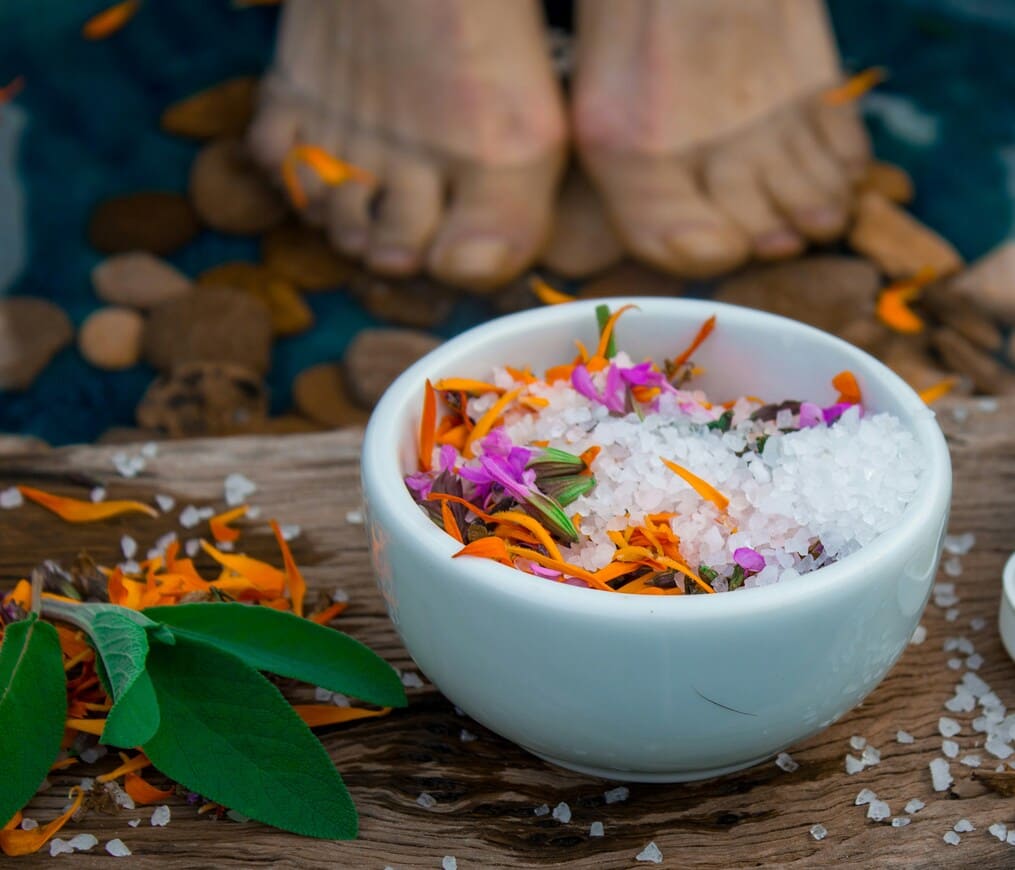
Plants and flowers have long been incorporated into bathing, religious ceremonies, traditional medicine, and household customs.
In contemporary spiritual discussions, certain ingredients are associated with particular symbolic meanings.
The following seven examples illustrate some of these associations. They do not represent a universal traditional recipe, and their meanings differ between cultures.
1. Rosemary: Remembrance and Purification
Rosemary is an aromatic herb with a long history in European culinary and folk traditions.
It is sometimes associated with remembrance, purification, and protection in contemporary spiritual practices.
Its strong fragrance has also made it popular in household and personal-care products.
When discussing rosemary in spiritual bathing, it is useful to separate its symbolic associations from its ordinary botanical properties.
2. Lavender: Calmness and Relaxation
Lavender is widely recognised for its fragrance and its use in perfumes, soaps and other personal-care products.
In contemporary spiritual and wellness practices, it is often associated with calmness, peace and relaxation.
Some people choose lavender when they want to create a peaceful atmosphere during prayer, meditation, or personal reflection.
However, lavender essential oil is concentrated and can cause irritation or allergic reactions. It should not be applied undiluted to the skin.
3. Rose Petals: Love and Emotional Harmony
Roses have appeared in poetry, art, religious symbolism, and cultural ceremonies for centuries.
Their associations with affection, beauty, and love have made rose petals popular in contemporary spiritual and personal-care bathing practices.
Some people use them symbolically when reflecting on self-worth, emotional harmony, or relationships.
Rose symbolism is also relevant to our guide on herbs traditionally associated with love and attraction.
4. Basil: Blessing and Prosperity
Basil is used in cooking and has cultural and religious significance in several parts of the world.
Some traditions associate particular varieties of basil with blessing, prosperity, or protection.
Its symbolism differs considerably across communities. It should not be assumed that every spiritual practice uses basil in the same way.
5. Mint: Freshness and Renewal
Mint is familiar for its fresh fragrance and culinary applications.
In some contemporary spiritual discussions, it is associated with freshness, renewal, and prosperity.
Its fragrance can also contribute to a pleasant bathing environment.
However, mint preparations may irritate sensitive skin, so it should not automatically be considered suitable for every person.
6. Chamomile: Comfort and Peace
Chamomile is commonly associated with calmness and relaxation in contemporary wellness settings.
It is used in various teas, fragrance products, and personal-care preparations.
Some people include chamomile in personal bathing routines because of its familiar scent and symbolic associations with comfort.
People with allergies to plants in the daisy family should exercise particular caution.
7. Hyssop: Biblical Associations With Purification
Hyssop appears in Biblical texts, including passages associated with purification.
It is consequently mentioned in some religious and spiritual discussions about cleansing.
The meaning of hyssop in a historical religious text should not automatically be treated as a modern bathing instruction.
Its use in contemporary spiritual practices varies, and plant identification and safety should always be considered.
A Quick Comparison of the Seven Ingredients
| Ingredient | Common contemporary symbolic association |
|---|---|
| Rosemary | Remembrance and purification |
| Lavender | Calmness and relaxation |
| Rose petals | Love and emotional harmony |
| Basil | Blessing and prosperity |
| Mint | Freshness and renewal |
| Chamomile | Comfort and peace |
| Hyssop | Purification in some Biblical interpretations |
These associations are descriptive rather than universal. A plant’s meaning depends on the cultural or religious context in which it is used.
4. Different Reasons People Explore Spiritual Baths
Not everyone approaches spiritual bathing for the same reason.
Some people follow inherited traditions, while others explore the practice because they want to create a meaningful personal routine.
Here are several intentions commonly associated with contemporary spiritual bathing.
A Period of Personal Renewal
People sometimes use symbolic cleansing practices when moving beyond a difficult experience.
For example, someone beginning a new chapter after a breakup, relocation, or major life change may use bathing as an opportunity to reflect on what they want to leave behind.
The value may come from the personal meaning attached to the experience rather than any supernatural effect.
Peace and Quiet Reflection
A peaceful bathing routine can create time away from daily responsibilities.
Some people incorporate prayer, meditation, or quiet reflection into the experience.
This may provide a structured opportunity to slow down and think about personal priorities.
Love and Self-Respect
Flowers such as roses have symbolic associations with affection and beauty.
In some contemporary practices, floral bathing is used as a personal expression of self-love or a desire for healthier relationships.
Such practices should never be presented as a way to force another person to develop romantic feelings.
Spiritual Preparation
In some religious and cultural traditions, bathing is part of preparing for a particular ceremony, prayer or period of devotion.
The rules and meaning depend on the tradition.
Protection and Personal Boundaries
Some contemporary spiritual practices associate bathing with protection, purification and the establishment of personal boundaries.
These ideas should be understood within the specific spiritual tradition being discussed.
For further reading, see our article on binding spells for protection.
5. Spiritual Baths, Uncrossing and Protection: Understanding the Differences
These terms are sometimes used together, but they do not necessarily describe the same practice.
Understanding the differences will also help readers find the information that best matches their interests.
| Practice | Main focus |
|---|---|
| Spiritual bathing | Symbolic bathing, purification or renewal |
| Uncrossing | Addressing a perceived crossed condition in certain folk-magic traditions |
| Spiritual protection | Symbolic or religious practices concerned with protection and boundaries |
| Ordinary bathing | Physical cleanliness and personal hygiene |
A spiritual bath may form part of an uncrossing practice, but not every spiritual bath is an uncrossing ritual.
Similarly, a person may use prayer or another religious practice for protection without participating in an herbal bathing tradition.
For a more detailed explanation of uncrossing, visit our article on uncrossing rituals and their traditional meaning.
This distinction is important because it prevents several different subjects from being treated as if they were identical.
6. What Makes a Traditional Spiritual Bath Different From a Modern Herbal Bath?
The words traditional and modern are sometimes used loosely in online spiritual content.
A traditional spiritual bath may belong to a particular community, religious practice, or inherited cultural system.
Its ingredients, prayers, preparation methods, and purpose may be shaped by established customs.
A modern herbal bath, on the other hand, may simply combine familiar plants and personal intentions without belonging to a particular historical tradition.
Neither description should automatically be treated as superior. The important thing is to represent each practice honestly.
When researching a bathing tradition, consider:
- Which community or religion practises it?
- Is there documented historical information?
- Are the ingredients culturally significant?
- Are there particular religious requirements?
- Is the modern method an adaptation?
- Are claims about its history supported by credible sources?
These questions help distinguish cultural knowledge from unsupported marketing claims.
7. Can Spiritual Baths Be Part of a Personal Wellness Routine?
For some people, bathing is an opportunity to create a quiet and comfortable environment.
A warm bath, a familiar fragrance, and a period of uninterrupted reflection may help someone slow down after a demanding day.
This does not mean that every bathing routine is a spiritual practice. Nor does it mean that herbal ingredients provide guaranteed emotional or medical benefits.
People may find value in simple activities such as:
- Taking time to rest.
- Reflecting on personal goals.
- Practising prayer or meditation.
- Writing down concerns.
- Establishing healthier boundaries.
- Preparing for important decisions.
If you are experiencing persistent anxiety, depression, or emotional distress, a bathing routine should not replace appropriate professional support.
8. Important Safety Considerations Before Using Herbal Bath Ingredients
Natural ingredients are not automatically harmless.
Some herbs and essential oils can cause skin irritation, allergic reactions, or other adverse effects. Certain plants may also be unsuitable for children, pregnant people, or individuals with particular medical conditions.
Before using any botanical preparation, consider these precautions.
Identify the plant correctly. Never use an unidentified herb or plant simply because it has been recommended online.
Be careful with essential oils. These products are concentrated. Avoid applying them undiluted to your skin or adding them directly to bathwater without suitable guidance.
Check for allergies. Familiar plants can still trigger reactions.
Avoid ingestion. A bathing preparation should not be treated as food or medicine.
Avoid broken or irritated skin. Some botanical preparations may make existing skin problems worse.
Use safe water temperatures. Extremely hot water can cause burns and irritation.
Stop if a reaction develops. Discontinue use if you experience itching, redness, burning, or other unusual symptoms.
For further safety information, consult Poison Control’s guide to essential oils and Health Canada’s information on essential oils and botanical extracts.
9. Why Cultural Respect Matters When Exploring Spiritual Bathing
Spiritual bathing is connected with different histories, religions, and communities.
Some practices have specific cultural origins, while others have been adapted or developed more recently.
It is important not to combine unrelated traditions simply because they use similar ingredients.
For example:
- Hoodoo is a distinct African American folk-magic tradition.
- Haitian Vodou is a distinct religion with its own spiritual structure.
- Hindu ritual bathing has specific religious and cultural meanings.
- Islamic purification follows established religious requirements.
- Christian baptism is a religious sacrament or ordinance, not simply an herbal cleansing bath.
Recognising these differences improves the quality of spiritual education and helps prevent inaccurate descriptions of cultural practices.
A respectful article should identify the tradition being discussed, avoid unsupported claims of ancient origins, and recognise that practices vary between communities.
10. Spiritual Bathing and Difficult Relationship Experiences
Some people become interested in spiritual cleansing when dealing with relationship challenges.
A separation, repeated arguments, or emotional disappointment can create a desire for a fresh beginning.
For some, a symbolic bathing routine represents a decision to release resentment, reflect on personal needs, and focus on healthier relationships.
However, a spiritual bath cannot guarantee reconciliation, establish another person’s feelings, or make someone return to a relationship.
Relationship decisions involve personal freedom, communication, and mutual willingness.
If you are exploring this subject, you may also find these resources useful:
- Spiritual cleansing for relationships.
- Reconciliation after a long separation.
- Improving relationship communication.
These articles explore related subjects from different perspectives without treating spiritual practices as substitutes for healthy communication.
11. Questions to Ask Before Choosing Spiritual Bathing Guidance
If you are considering guidance from a spiritual practitioner, it is worth understanding what is being offered before agreeing to anything.
Consider asking:
- What spiritual tradition is the practice associated with?
- What is the purpose of the proposed bathing practice?
- Which ingredients are involved?
- Are there any known safety concerns?
- Is the practice religious, cultural, or a modern personal adaptation?
- What are the fees, if any?
- How will your personal information be handled?
A responsible practitioner should be willing to explain the nature of a service and respect your decisions.
Be cautious of anyone who insists that you are definitely cursed, threatens you with harm, or pressures you to make repeated payments.
No spiritual service should discourage you from seeking appropriate medical, legal, financial, or relationship support.
12. Frequently Asked Questions About Spiritual Cleansing Baths
1. What are spiritual cleansing baths?
Spiritual cleansing baths are bathing practices that incorporate religious, cultural, or symbolic elements such as prayers, herbs, flowers, and personal intentions. Their meanings vary across traditions.
2. What is the purpose of a spiritual bath?
People may use spiritual baths for religious devotion, symbolic purification, personal reflection, or renewal. The purpose depends on the person’s cultural background and beliefs.
3. Which herbs are commonly associated with spiritual bathing?
Rosemary, lavender, rose petals, basil, mint, chamomile, and hyssop are discussed in different spiritual and cultural contexts. Their meanings and uses are not universal.
4. Are spiritual baths part of African traditions?
Bathing and washing have spiritual significance in various African and African diaspora traditions. However, each community has its own customs, and not all spiritual baths share the same origin.
5. Is spiritual bathing part of Hoodoo?
Certain Hoodoo and African American rootwork traditions include spiritual baths and washes. However, modern herbal bathing practices should not automatically be described as Hoodoo.
6. Are spiritual baths the same as uncrossing baths?
No. A spiritual bath can serve several symbolic or religious purposes. An uncrossing bath is associated with particular traditions and the idea of addressing a perceived crossed condition.
7. Can spiritual baths be used for love?
Some contemporary practices associate flowers and particular herbs with love, affection, and self-worth. However, a bath cannot guarantee romantic love or control another person’s decisions.
8. How often should someone take a spiritual bath?
There is no universal schedule. Frequency depends on the tradition and individual practice. Follow appropriate cultural guidance and consider ordinary skin-care and safety needs.
9. Are essential oils safe in spiritual baths?
Essential oils are concentrated and may cause irritation or allergic reactions. They should not be applied undiluted to the skin. Follow appropriate safety guidance before using them.
10. Can a spiritual bath remove negative energy?
Some spiritual traditions interpret bathing as a symbolic way of releasing unwanted influences. There is no scientific evidence that a bath removes a measurable supernatural energy.
11. Are spiritual baths religious practices?
They can be. Water has important roles in several religions, including Hinduism, Christianity, and Islam. The meanings and requirements differ between traditions.
12. Can I use ordinary flowers and herbs?
Only use plants that you can identify correctly and that are suitable for the intended use. Natural ingredients can still cause allergic reactions or irritation.
13. A Fresh Perspective on the Meaning of Spiritual Bathing
Spiritual bathing is best understood as a collection of different practices rather than one universal ritual.
For some communities, it is part of religious devotion. For others, it is connected with folk traditions, inherited botanical knowledge, or symbolic purification.
Ingredients such as rosemary, lavender, rose petals, basil, mint, chamomile and hyssop have different cultural and symbolic associations. Their meanings should always be understood within the relevant context.
The subject also deserves a balanced approach. A spiritual bath may be personally meaningful, but it should not be marketed as a guaranteed way to remove curses, restore relationships, or solve financial problems.
At Real Magic Spells, we believe that spiritual subjects deserve thoughtful explanations, cultural respect, and realistic expectations. Understanding a tradition before participating in it is an important part of making informed personal decisions.
Need Guidance With Spiritual Practices?
If you are exploring spiritual cleansing, traditional bathing practices, uncrossing, or other forms of spiritual guidance, we welcome you to discuss your concerns with us.
At Real Magic Spells, we recognise that every person’s circumstances are different. We welcome private enquiries and can explain the spiritual approaches and services available so that you can make an informed decision.
Contact us today:
- WhatsApp: +27786430400
- Email: [email protected]
Your concerns deserve to be approached with care, respect, and discretion. Contact us to discuss your circumstances and the guidance available.
Take the first step towards a fresh perspective. Get in touch with us today.
Further Reading and External References
- Mojo Workin’: The Old African American Hoodoo System – Oxford Academic / University of Illinois Press — academic research on Hoodoo and African American cultural history.
- Wudu – Encyclopaedia Britannica — background on Islamic ritual purification.
- Essential Oils: Poisonous When Misused – Poison Control — safety information about essential oils and potential adverse effects.
- Essential Oils and Botanical Extracts – Health Canada — information about the safe handling and use of essential oils and botanical extracts.