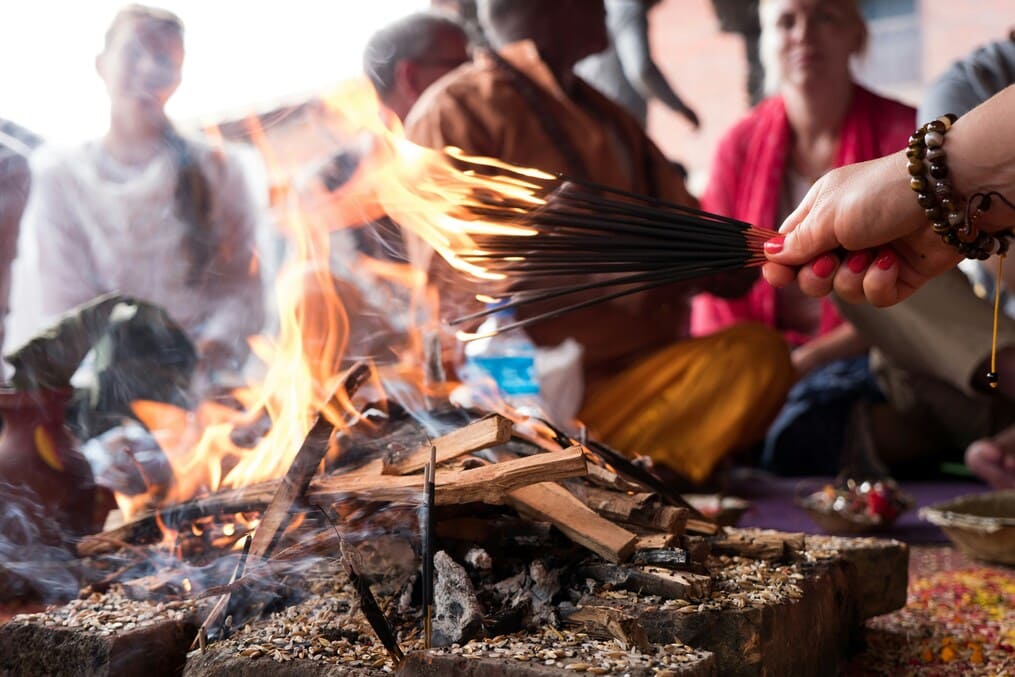
Have you ever experienced a period when everything seems to go wrong at once? Perhaps relationships become difficult, opportunities appear to disappear, work feels unusually stressful, or you find yourself carrying emotional burdens that are difficult to explain.
In various spiritual and folk traditions, people have used cleansing and uncrossing practices as symbolic ways of addressing periods of difficulty, misfortune, or perceived negative spiritual influence.
An uncrossing ritual is traditionally understood as a spiritual practice intended to remove or reverse what a person believes may be causing spiritual obstruction, unwanted influence or persistent misfortune. Its meaning varies across traditions, communities and individual practitioners.
Some people associate uncrossing with spiritual baths, prayers, candles, herbs, and other symbolic practices. Others understand it as a broader process of releasing emotional burdens, restoring a sense of balance and preparing for a fresh beginning.
But what does uncrossing actually mean? Where did these traditions come from? And how is an uncrossing ritual different from an ordinary spiritual cleansing?
In this guide, we explore the meaning, cultural background, traditional methods, and modern interpretations of uncrossing rituals. We will also look at the importance of cultural respect, personal wellbeing, and realistic expectations.
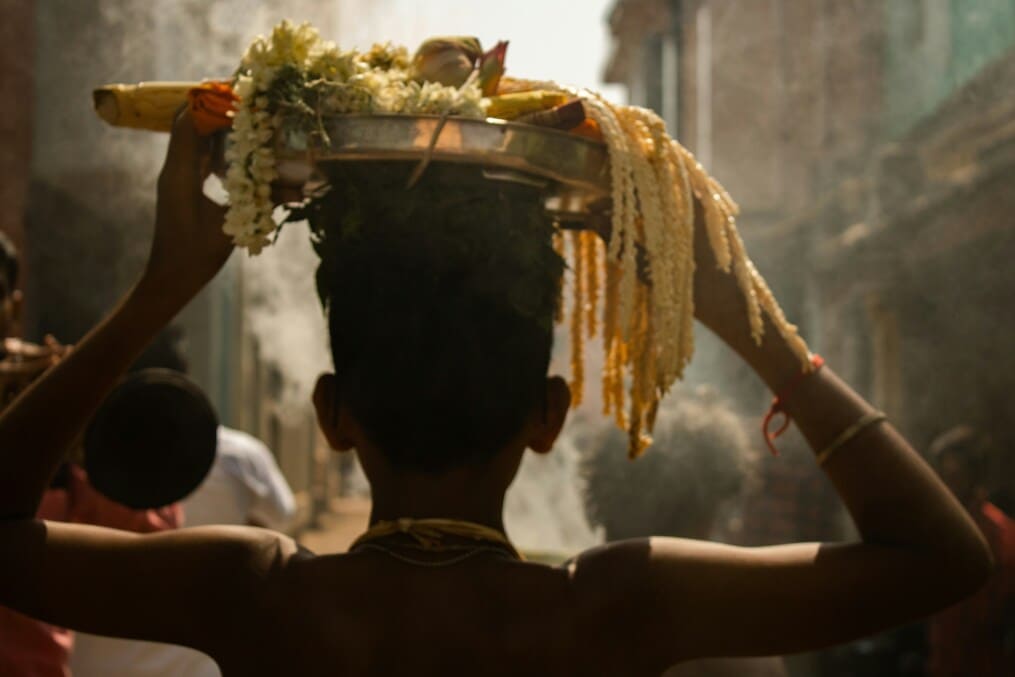
1. What Is an Uncrossing Ritual?
An uncrossing ritual is a spiritual practice traditionally associated with removing perceived obstacles, unwanted influences, or conditions believed to be interfering with a person’s progress.
The word uncrossing is often used in folk-magic communities to describe the symbolic act of undoing a condition that someone believes has brought confusion, difficulty, or spiritual disturbance into their life.
Depending on the tradition, an uncrossing practice may involve:
- Spiritual baths or washes.
- Prayers and spoken intentions.
- Candles and symbolic objects.
- Traditional herbs and botanical preparations.
- Ritual cleansing of a personal space.
- Acts of reflection, release, and renewal.
The exact meaning and method are not universal. Practices differ between communities, practitioners, and spiritual backgrounds.
It is also important to distinguish spiritual beliefs from facts. Some people find personal meaning, comfort, or a sense of renewed purpose in symbolic spiritual practices.
2. Where Did Uncrossing Traditions Originate?
Uncrossing is particularly associated with certain forms of African American folk spirituality, including Hoodoo, also known as conjure or rootwork.
Hoodoo developed within African American communities through a complex history involving African cultural continuities, Christianity, Indigenous botanical knowledge and other influences. It is a distinct folk-magic tradition, not simply another name for Haitian Vodou or Louisiana Voodoo.
Within some Hoodoo traditions, uncrossing is understood as a way of addressing conditions believed to involve spiritual interference, crossed conditions or persistent misfortune.
Practices may draw on:
- Biblical prayers and Psalms.
- Traditional botanical knowledge.
- Spiritual baths and washes.
- Candles and ritual symbolism.
- Personal petitions and spoken intentions.
The history of Hoodoo is complex and should not be reduced to a collection of commercial spell recipes. For a deeper historical introduction, see Yvonne P. Chireau’s academic book, Black Magic: Religion and the African American Conjuring Tradition, which explores the relationship between conjure, African American culture and religious life.
Another useful historical resource is Katrina Hazzard-Donald’s Mojo Workin’: The Old African American Hoodoo System, which examines Hoodoo’s cultural development and traditional practices.
These sources help place uncrossing within a wider cultural history rather than treating every modern spiritual cleansing method as an ancient Hoodoo practice.
3. What Does It Mean to Be Spiritually Crossed?
In some folk-magic traditions, being crossed refers to a perceived condition in which a person experiences spiritual interference, obstruction, or an unwanted influence.
People may use this expression when describing circumstances such as:
- Repeated setbacks that seem difficult to understand.
- Feeling emotionally overwhelmed or unsettled.
- Persistent conflict in personal relationships.
- A sense of being unable to move forward.
- Fear that another person has directed harmful spiritual intentions towards them.
These descriptions reflect spiritual interpretations rather than medical or scientific diagnoses.
A difficult period does not automatically mean that someone has been spiritually crossed. Financial pressure, relationship problems, illness, exhaustion, and other ordinary circumstances can also contribute to feelings of helplessness or repeated setbacks.
It is therefore sensible to consider practical explanations and seek appropriate support alongside any personal spiritual practice.
4. Why Do People Consider Uncrossing Rituals?
People approach uncrossing traditions for different reasons. For some, the practice represents a symbolic fresh start. For others, it is part of a cultural or religious tradition that gives meaning to difficult experiences.
Common motivations include:
Releasing a Difficult Period
Someone experiencing repeated disappointments may view an uncrossing ritual as a symbolic way of leaving the past behind and beginning again.
Restoring a Sense of Direction
When life feels confusing, a structured spiritual practice can provide an opportunity to reflect on priorities and identify practical steps forward.
Seeking Emotional Peace
Some people associate cleansing rituals with letting go of fear, resentment, or emotional burdens.
Addressing Perceived Spiritual Interference
Within certain folk-magic traditions, uncrossing is specifically associated with addressing conditions believed to involve unwanted spiritual influence.
Marking a New Beginning
A ritual can also serve as a personal milestone: a moment to make new decisions, establish healthier boundaries, and focus on constructive changes.
5. What Is the Difference Between Uncrossing and Spiritual Cleansing?
Although the two practices are sometimes discussed together, they are not necessarily identical.
Spiritual cleansing is generally a broad term for practices intended to symbolically refresh a person, object or environment. Uncrossing is more specific in traditions where it refers to reversing a perceived crossed condition or addressing spiritual obstruction.
| Spiritual cleansing | Uncrossing |
|---|---|
| Broadly associated with purification and renewal | Traditionally associated with reversing a perceived crossed condition |
| May be used as a regular spiritual practice | Often undertaken in response to a particular concern |
| Can involve washing, prayer, and symbolic purification | May involve cleansing alongside specific uncrossing prayers or practices |
| Found in many different spiritual and cultural traditions | Particularly associated with certain folk-magic traditions, including Hoodoo |
The distinction depends on the tradition being discussed. Some practitioners may use the terms interchangeably, while others make a clear distinction.
For a broader discussion of relationship-focused cleansing, read our guide to spiritual cleansing for relationships.
6. Common Elements Found in Traditional Uncrossing Practices
There is no single universal uncrossing formula. Nevertheless, several elements appear in accounts of traditional and contemporary practices.
Spiritual Baths
Spiritual baths are associated with cleansing and renewal in several folk and religious traditions.
Depending on the cultural context, a bath may involve prayer, water, and selected botanical ingredients. The symbolism can include releasing unwanted conditions and preparing for a new beginning.
Different traditions have their own rules concerning ingredients, preparation, and use. A method from one community should not automatically be presented as authentic to another.
Prayer and Scripture
Prayer plays an important role in some uncrossing traditions, particularly those influenced by Christian beliefs.
Certain practitioners incorporate Biblical passages, spoken prayers, or personal petitions into their work.
The purpose may be to express faith, seek comfort, and establish an intention for spiritual renewal.
Candles
Candles are used in various spiritual traditions as symbols of hope, prayer, remembrance and intention.
In some contemporary uncrossing practices, candle colours are assigned symbolic meanings. However, colour associations vary and are not universal.
For a related explanation of candle symbolism, read our article on candle magic colours and their traditional meanings.
A candle should always be placed on a stable, heat-resistant surface, away from curtains, children and pets. Never leave a burning candle unattended.
Herbs and Botanical Ingredients
Some traditions incorporate herbs, roots and other botanical materials into spiritual baths, washes or ritual preparations.
The plants selected may have cultural, historical, or symbolic associations.
It is important to remember that botanical ingredients are not automatically safe. Some can cause allergic reactions, skin irritation, or poisoning. Never ingest unidentified plants or apply concentrated essential oils directly to the skin.
Spoken Intentions
Words can form an important part of a symbolic ritual. A person may express a desire to release fear, move beyond a difficult period, or focus on a more positive direction.
For some people, this creates a meaningful moment of reflection and commitment.
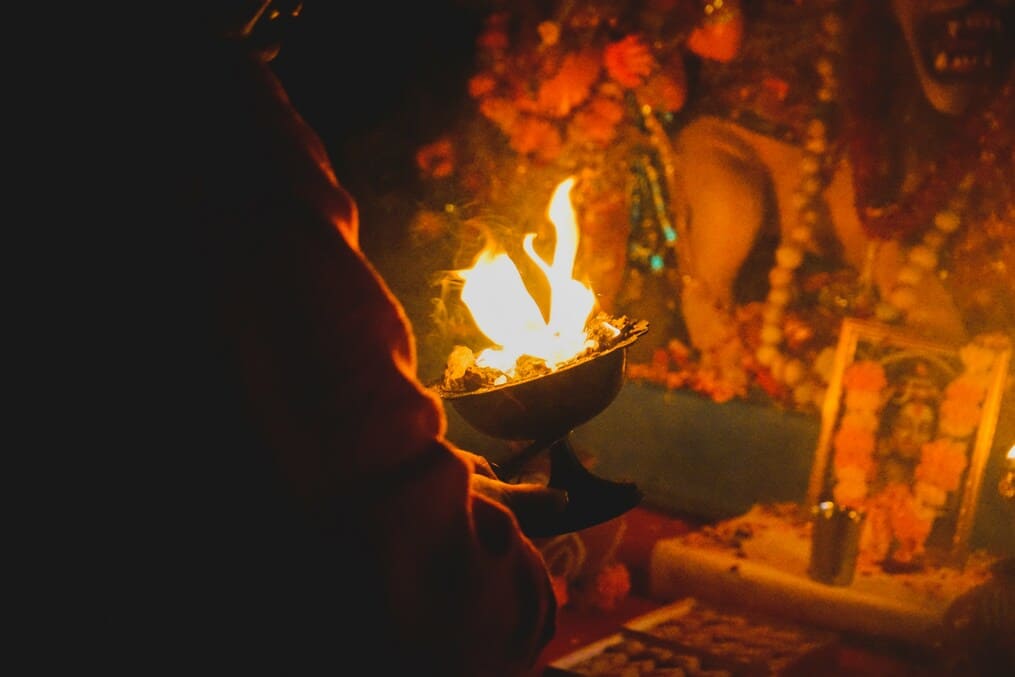
7. What Is an Uncrossing Bath?
An uncrossing bath is a form of spiritual bath associated with certain folk-magic traditions.
It is generally understood as a symbolic cleansing practice intended to help a person release perceived spiritual obstacles or unwanted influences.
The ingredients and instructions differ according to the tradition and practitioner. Some preparations involve herbs, while others may place greater emphasis on prayer and intention.
There is no single recipe that represents every historical or cultural form of uncrossing.
Before using any botanical preparation, consider the following:
- Identify every ingredient correctly.
- Check whether it is safe for your intended use.
- Avoid ingesting ritual mixtures.
- Do not apply unknown substances to broken or irritated skin.
- Be cautious with essential oils, which can cause irritation or allergic reactions.
- Do not use a ritual bath as a substitute for medical treatment.
An uncrossing bath should never involve dangerous substances, deliberate injury, or extreme physical practices.
8. Herbs Associated With Spiritual Cleansing and Uncrossing
Herbs have a long history in many cultural and spiritual practices. Their meanings vary considerably, and a plant associated with purification in one tradition may have a different role in another.
The following examples are commonly discussed in contemporary spiritual and folk-practice contexts. They should not be interpreted as a universal historical formula for uncrossing.
Rosemary
Rosemary is widely associated with remembrance, purification, and protection in various European folk traditions and modern spiritual practices.
Its aromatic leaves are also used in cooking. Its symbolic associations should be distinguished from its ordinary botanical properties.
Hyssop
Hyssop has associations with purification in Biblical language and in some later spiritual practices.
It is sometimes mentioned in discussions of cleansing traditions. Historical references should not be confused with proof that a particular ritual has supernatural effects.
Rue
Rue has appeared in several Mediterranean and European folk traditions, where it has been associated with protection and purification.
However, rue can cause skin reactions and photosensitivity. It should not be handled or applied casually, particularly in concentrated preparations.
Basil
Basil has culinary, medicinal, and symbolic uses across different cultures. Some spiritual traditions associate it with blessing, prosperity, or protection.
Its meaning depends on the cultural context and should not be treated as identical across all traditions.
Lavender
Lavender is widely associated with calmness, relaxation and fragrance in contemporary wellness and spiritual practices.
It may be used symbolically in personal rituals, although its presence does not establish that a ritual can remove a supernatural influence.
For more botanical symbolism, explore our guide to herbs traditionally associated with love and attraction.
9. What Is the Difference Between Uncrossing and Protection Work?
Uncrossing and spiritual protection are related subjects, but they generally describe different intentions.
Uncrossing is traditionally concerned with reversing or addressing a perceived crossed condition.
Protection work is generally concerned with establishing or maintaining symbolic spiritual boundaries against unwanted influences.
A simple comparison:
| Uncrossing | Protection |
|---|---|
| Focuses on a perceived existing problem | Focuses on maintaining boundaries |
| Associated with release and reversal | Associated with safeguarding and prevention |
| May include cleansing practices | May include prayers, charms, and protective symbolism |
| Often connected with a fresh start | Often connected with continued spiritual reassurance |
Some practitioners combine these intentions, while others treat them as separate areas of spiritual work.
You can also explore our article on binding spells for protection once that page is published and its URL is verified.
10. Uncrossing Rituals and Relationship Difficulties
Some people become interested in uncrossing when they experience repeated conflict, emotional distance or difficulties in their relationships.
In certain spiritual interpretations, these circumstances may be described as crossed conditions. However, relationship problems can have many practical causes, including communication difficulties, incompatible expectations, broken trust and unresolved disagreements.
An uncrossing ritual cannot establish what another person is thinking or make someone love, forgive or return to a relationship.
If you are experiencing relationship difficulties, it may be more helpful to combine personal reflection with honest communication, healthy boundaries and appropriate relationship support.
For additional reading, explore:
- Reconciliation after a long separation.
- Improving relationship communication.
- Spiritual protection after a breakup.
11. Uncrossing Rituals and Financial or Career Difficulties
Another reason people research uncrossing is the feeling that opportunities are repeatedly slipping away.
For example, someone may experience several unsuccessful job applications, business setbacks, or unexpected expenses. Within some spiritual traditions, such experiences may be interpreted symbolically as obstacles or crossed conditions.
A spiritual practice may offer a personal framework for reflection, but it should not replace practical action.
For financial or professional challenges, consider reviewing your spending, strengthening your business plan, improving your skills, seeking professional advice, and identifying realistic opportunities.
Spiritual reflection and practical decision-making do not have to be mutually exclusive.
12. Can You Perform an Uncrossing Ritual Yourself?
Whether someone performs an uncrossing practice independently depends on their spiritual background and the tradition they follow.
Some contemporary spiritual practices are presented as simple personal cleansing exercises. Other forms of traditional work may involve specific cultural knowledge, inherited practices, or guidance from an experienced practitioner.
Before following a ritual you find online, consider:
- Understand its origin. Find out which tradition the practice comes from.
- Check its ingredients. Avoid unidentified plants, powders, or liquids.
- Consider your beliefs. Do not feel pressured to perform a practice that conflicts with your values.
- Avoid fear-based instructions. Be cautious of anyone claiming that ordinary setbacks prove you are cursed.
- Keep practical solutions in view. Address real-life problems through appropriate real-world action.
A responsible spiritual practice should not require you to put your health, safety, or financial security at risk.
13. How to Recognise Responsible Spiritual Guidance
People looking for uncrossing services may encounter a wide range of online claims. It is important to approach these services thoughtfully.
Responsible spiritual guidance should include:
- Clear explanations of the tradition or approach being offered.
- Respect for your personal beliefs and decisions.
- Honest communication about what a service involves.
- Transparent fees before you agree to anything.
- Respect for privacy and personal boundaries.
- No pressure to make repeated payments.
- No threats or claims that harm will occur if you refuse a service.
Be especially cautious of anyone who tells you that you are definitely cursed, demands urgent payments to prevent disaster, promises guaranteed results, or discourages you from seeking medical, legal, or financial assistance.
A genuine discussion about spiritual practice should leave you feeling informed rather than frightened or controlled.
14. What Should You Expect From an Uncrossing Practice?
Expectations differ according to personal beliefs and the type of practice involved.
Some people describe feeling calmer or more focused after a symbolic cleansing experience. Others view the practice as an opportunity to pray, reflect, or make a conscious decision to move forward.
However, there is no scientifically established timeframe within which an uncrossing ritual will produce a particular result.
It is therefore unwise to rely on claims that an uncrossing ritual will automatically remove every obstacle within a fixed number of hours or days.
A balanced approach is to treat spiritual practices as personal or cultural expressions while continuing to address the practical circumstances affecting your life.
15. Uncrossing, Spiritual Renewal and Personal Boundaries
One useful way to understand uncrossing is through the idea of renewal.
A difficult experience can leave someone feeling stuck, discouraged or uncertain about the future. Taking time to reflect, pray or participate in a meaningful cultural practice may help them recognise what they want to change.
This does not mean that every problem has a supernatural cause.
Sometimes a fresh beginning involves ending an unhealthy relationship, asking for help, changing a financial habit, seeking counselling or making a difficult but necessary decision.
Spiritual reflection can accompany these steps without replacing them.
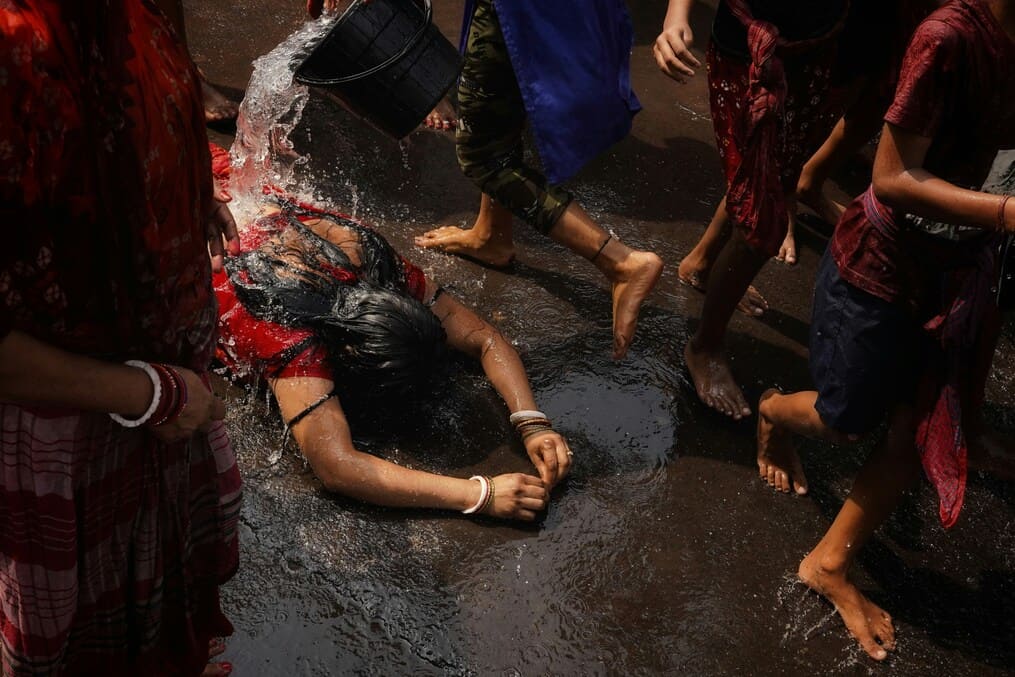
16. Frequently Asked Questions About Uncrossing Rituals
1. What is the purpose of an uncrossing ritual?
An uncrossing ritual is traditionally intended to address a perceived crossed condition, spiritual obstruction, or unwanted influence. Its meaning and methods vary between folk-magic traditions and individual practitioners.
2. Is uncrossing the same as spiritual cleansing?
Not necessarily. Spiritual cleansing is a broad term for symbolic purification and renewal. Uncrossing is more specific in traditions where it refers to reversing a perceived crossed condition.
3. What is an uncrossing bath?
An uncrossing bath is a spiritual bathing practice associated with cleansing and releasing perceived spiritual obstacles. Its ingredients and methods differ according to the tradition.
4. Which herbs are used in uncrossing rituals?
Herbs mentioned in different cleansing and folk-practice discussions include rosemary, hyssop, rue, basil, and lavender. Their associations vary, and there is no universal uncrossing recipe.
5. Is uncrossing part of Hoodoo?
Uncrossing is particularly associated with certain Hoodoo and African American rootwork traditions. However, modern spiritual practices may also use the term in different ways.
6. Is Hoodoo the same as Haitian Vodou?
No. Hoodoo is an African American folk-magic tradition, while Haitian Vodou is a distinct religion with its own history, beliefs, ceremonies, and spiritual framework.
7. Can an uncrossing ritual solve relationship problems?
There is no reliable evidence that an uncrossing ritual can resolve relationship problems or control another person’s feelings. Relationship difficulties are best addressed through communication, boundaries, and appropriate support.
8. How long does an uncrossing ritual take to work?
Experiences differ according to individual beliefs and the nature of the practice.
9. Can I perform an uncrossing ritual at home?
Some modern spiritual cleansing practices are designed for personal use. However, traditional methods may have cultural rules or specific instructions. Always check the origin and safety of any practice before following it.
10. Is uncrossing the same as protection work?
No. Uncrossing is generally associated with addressing a perceived existing condition, while protection work focuses on maintaining symbolic spiritual boundaries. Some traditions combine the two.
11. Should I be worried if I experience repeated setbacks?
Repeated setbacks do not prove that you are cursed or spiritually crossed. Consider practical explanations and seek appropriate support for financial, relationship, health, or emotional difficulties.
12. How can I find responsible uncrossing guidance?
Look for clear explanations, transparent pricing, cultural respect, and honest expectations. Avoid anyone who uses threats, guarantees supernatural results, or pressures you into repeated payments.
Understanding the Meaning of Uncrossing
Uncrossing rituals occupy an interesting place in the history of folk spirituality, particularly within certain Hoodoo and African American rootwork traditions.
For many people, the idea represents releasing perceived obstacles, seeking spiritual reassurance, and preparing for a new beginning. Its practices may involve prayer, symbolic cleansing, herbs, candles, and other culturally meaningful elements.
Need Guidance With an Uncrossing Ritual?
When life feels difficult, opportunities seem blocked, or you are searching for a fresh spiritual beginning, finding the right guidance can make a difference.
At The Den of real magic spells casters, we welcome you to discuss your concerns and learn about the spiritual services that may be suitable for your circumstances. Whether you are interested in uncrossing, spiritual cleansing or protection traditions, we are ready to listen and guide you with care and discretion.
Contact us today:
- WhatsApp: +27786430400
- Email: [email protected]
Your circumstances are unique. Contact us for a private discussion about your concerns and the guidance available.
Take the first step towards a fresh beginning. Get in touch with us today.