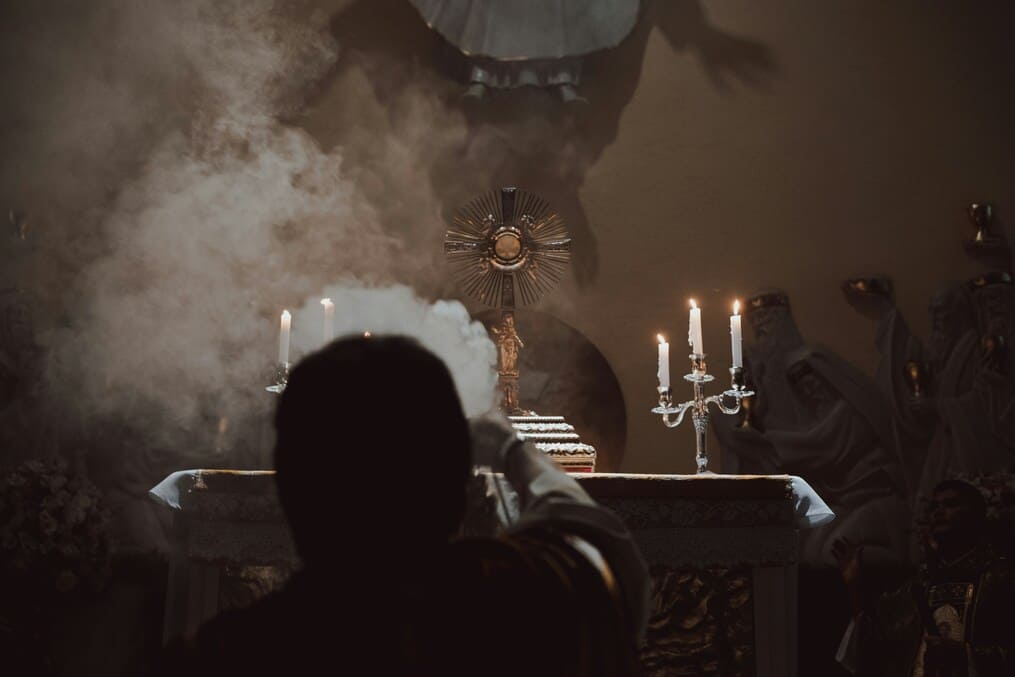
Clearing the Way or Building Boundaries? Understanding Two Spiritual Practices
Spiritual Cleansing vs. Protection: People exploring traditional spirituality often encounter two expressions that sound similar: spiritual cleansing and spiritual protection.
Both are associated with personal well-being, purification, and the desire to feel spiritually secure. They may also involve some of the same elements, including prayer, candles, herbs, water, and symbolic objects.
However, spiritual cleansing and spiritual protection do not necessarily serve the same purpose.
Cleansing is generally associated with purification, release, and renewal. Protection, on the other hand, is concerned with safeguarding, boundaries, and maintaining a sense of security.
Understanding this distinction is useful when researching folk traditions, religious practices and contemporary spiritual services. It also helps prevent confusion between different rituals and the beliefs behind them.
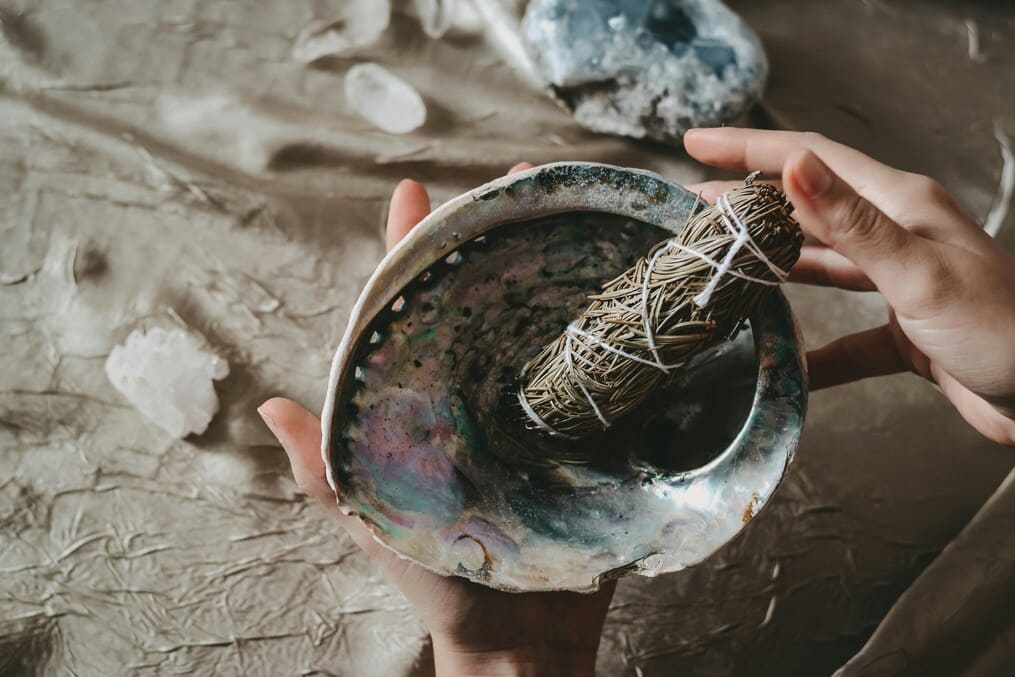
Below we examine the differences between spiritual cleansing and protection, their cultural backgrounds, the practices associated with each, and the importance of approaching spiritual guidance responsibly.
1. What Is Spiritual Cleansing?
Spiritual cleansing is a broad expression used to describe practices intended to represent purification, release, or renewal.
Different cultures and religious communities have their own forms of cleansing. Some involve washing with water, while others incorporate prayer, symbolic objects, meditation, or particular ceremonies.
The purpose may be to mark a fresh beginning, prepare for religious observance, express devotion, or symbolically leave a difficult experience behind.
In contemporary spiritual discussions, cleansing is sometimes associated with:
- Releasing unwanted emotional burdens.
- Seeking a sense of peace.
- Preparing for a new stage of life.
- Symbolic purification of a personal space.
- Prayer and spiritual reflection.
- Participating in inherited cultural traditions.
It is important to understand that these practices have different meanings across communities.
For example, Islamic ritual purification, Christian baptism, and certain Hoodoo cleansing practices should not be treated as interchangeable simply because they involve water or symbolic purification.
What Does Spiritual Cleansing Represent?
For many people, cleansing represents the idea of beginning again.
Someone who has experienced disappointment, conflict, or a major life change may find meaning in a practice that symbolises releasing the past and focusing on the future.
The experience may involve prayer, reflection, or a traditional ceremony.
However, spiritual cleansing should not automatically be interpreted as proof that someone has been cursed or affected by supernatural interference.
2. What Is Spiritual Protection?
Spiritual protection refers to religious, cultural, or personal practices associated with safeguarding, seeking divine protection, or establishing symbolic boundaries against unwanted influences.
Its meaning varies significantly between traditions.
In some religions, protection is expressed through prayer, worship, and faith. In certain folk traditions, it may involve charms, protective objects, spoken prayers, or other culturally meaningful practices.
Common themes include:
- Seeking reassurance and security.
- Expressing faith and trust.
- Establishing personal boundaries.
- Praying for safety.
- Maintaining a sense of spiritual wellbeing.
- Following inherited protective traditions.
For some people, protection is a regular part of religious life rather than something undertaken only during difficult periods.
In other settings, protective practices may be associated with particular occasions or concerns.
What Does Spiritual Protection Represent?
Protection is often understood through the idea of safeguarding.
For example, a person may pray for their household, family, or journey. Another may follow a cultural tradition involving a protective symbol or object.
These practices can have religious, historical, or personal significance.
However, no charm, candle, or ritual can be scientifically established as a guarantee against harm. Practical safety measures remain important.
3. Spiritual Cleansing vs Spiritual Protection: The Main Differences
The most straightforward way to distinguish these subjects is to consider their central intentions.
| Spiritual cleansing | Spiritual protection |
|---|---|
| Focuses on purification and renewal | Focuses on safeguarding and boundaries |
| Often represents release or a fresh beginning | Often represents prevention or continued reassurance |
| May involve symbolic washing or cleansing | May involve prayer, protective objects, or religious observance |
| Can be associated with particular transitions or ceremonies | May form part of an ongoing spiritual practice |
| Meanings vary across traditions | Meanings also vary across traditions |
Consider two examples.
A person who has experienced a difficult period may participate in a symbolic cleansing practice as a way of marking a new beginning.
Another person may pray regularly for the safety of their household as an expression of faith and protection.
Although both practices involve spiritual intentions, they are not identical.
Some traditions combine cleansing and protection, but the distinction remains useful when explaining their purposes.
4. Why Are Cleansing and Protection Sometimes Used Together?
Although they have different purposes, cleansing and protection are sometimes discussed together.
One reason is that some spiritual traditions view purification and safeguarding as related parts of a broader spiritual life.
A person may first participate in a cleansing practice and then follow a prayer or religious custom associated with protection.
This does not mean that every tradition requires both practices or that there is a universal order.
The relationship between cleansing and protection depends on the particular cultural or religious system.
In contemporary spiritual discussions, the two may also be combined because people use the same materials, such as candles, water, or herbs, for different symbolic purposes.
The materials alone do not determine the meaning of a practice. Its cultural background, intention, and method matter.
5. Spiritual Cleansing in Different Cultural and Religious Traditions
The history of spiritual cleansing is broad. Different societies have developed their own practices involving washing, purification, and preparation.
Understanding these traditions requires recognising their individual histories.
African and African Diaspora Traditions
Water, plants and symbolic washing have significance in various African cultural and religious traditions.
In some African diaspora communities, cleansing practices form part of wider spiritual and cultural systems.
Certain Hoodoo and African American rootwork traditions, for example, include spiritual baths and washes.
Hoodoo developed within African American communities through a complex history involving African cultural continuities, Christianity, Indigenous botanical knowledge, and other influences.
It is a distinct folk-magic tradition and should not be confused with Haitian Vodou or Louisiana Voodoo.
For historical background, see Katrina Hazzard-Donald’s academic study, Mojo Workin’: The Old African American Hoodoo System.
Hindu Traditions
Bathing has important religious and cultural meanings in Hindu traditions.
Ritual bathing may be connected with purification, pilgrimage, religious festivals, and devotion.
Certain rivers and locations are especially significant within Hindu religious life.
These practices have their own theological and cultural meanings and should not be reduced to modern commercial cleansing rituals.
Christian Traditions
Christianity includes several practices involving water and purification.
Baptism is an important Christian sacrament or ordinance, depending on the denomination. It represents religious ideas concerning faith, spiritual renewal, and belonging to a Christian community.
Some Christian communities also use holy water and prayers as part of particular religious observances.
Islamic Traditions
Islam includes prescribed forms of purification involving water.
Wudu and ghusl are examples of ritual purification with specific religious requirements.
These practices should be understood within Islamic religious teaching rather than treated as general herbal cleansing methods.
For an introduction, consult Encyclopaedia Britannica’s explanation of wudu.

6. Spiritual Protection Across Different Traditions
Protective practices also have diverse cultural and religious backgrounds.
Some are based on prayer and religious devotion, while others involve traditional objects, symbols, or ceremonies.
Protection Through Prayer
Prayer is an important expression of faith in many religions.
People may pray for themselves, their families, homes, or communities.
The meaning of these prayers depends on the beliefs of the religious tradition.
Protective Objects and Charms
Different societies have used objects that carry protective symbolism.
These may include religious symbols, written prayers, amulets, or objects passed down through families.
Their significance is connected to cultural and religious beliefs rather than an established scientific ability to prevent harm.
Protection of the Home
Some communities have customs involving the blessing of homes, religious symbols, or household prayers.
For many people, these practices represent hospitality, peace, faith, and the desire for a secure living environment.
Personal and Family Protection
People may also participate in protective prayers or religious observances because they want to express concern for loved ones.
Such practices can provide personal meaning and a sense of connection.
7. How Candles Are Used in Cleansing and Protection Practices
Candles appear in numerous religious, cultural, and contemporary spiritual settings.
Their use does not have one universal meaning.
In some practices, candlelight represents prayer, remembrance, hope, or devotion. In others, it forms part of symbolic cleansing or protection work.
A candle may therefore be used for different purposes depending on the tradition.
Some contemporary practitioners associate:
- White candles with peace or purification.
- Red candles with love or courage.
- Blue candles with calmness or spiritual reflection.
- Green candles with prosperity or growth.
- Black candles with particular forms of protection or symbolic release.
These associations are not universal. Different practitioners and traditions may interpret colours differently.
For a more detailed explanation, read our guide to candle magic colours and their traditional meanings.
You may also find our article on candle flame interpretations and their traditional symbolism useful.
Always follow candle safety instructions. Never leave a burning candle unattended or place it near flammable materials.
8. The Role of Herbs in Cleansing and Protection
Herbs have been used in cooking, medicine, household customs, and spiritual traditions for centuries.
Some plants also carry symbolic associations in particular communities.
However, the meaning of a plant depends on its cultural background.
For example:
Rosemary: Associated with remembrance and purification in some European folk traditions and contemporary spiritual practices.
Lavender: Commonly associated with calmness and relaxation.
Rue: Has protective associations in certain Mediterranean and European folk traditions, but can cause skin reactions and photosensitivity.
Basil: Has religious, culinary, and symbolic significance in different cultures.
Hyssop: Appears in Biblical references associated with purification.
These examples should not be treated as a universal list of cleansing or protection ingredients.
For additional botanical information, explore our guide to herbs traditionally associated with love and attraction.
Remember that natural ingredients are not automatically safe. Unidentified plants and concentrated essential oils should never be used casually on the skin.
9. Spiritual Cleansing Baths and Protection Practices
Spiritual baths are sometimes discussed in connection with both cleansing and protection.
However, their purpose depends on the particular tradition.
A bathing practice may be associated with purification, prayer, preparation, or symbolic renewal.
In other settings, washing may form part of a broader religious or protective observance.
The ingredients and methods vary considerably.
Some contemporary spiritual practices incorporate flowers, herbs, and spoken intentions. Others follow religious requirements that should not be modified or combined casually.
If you want to explore bathing traditions in greater detail, read our guide to spiritual cleansing baths, traditional ingredients and cultural practices.
10. When Do People Explore Spiritual Cleansing?
People may become interested in cleansing practices during periods of change or uncertainty.
Common situations include:
After a Difficult Experience
A person who has experienced disappointment or emotional stress may want to mark the end of a difficult chapter.
A symbolic cleansing practice can provide an opportunity to reflect and consider what comes next.
During a Major Life Transition
Moving home, starting a new job, or entering another stage of life may encourage someone to explore traditions associated with renewal.
During Personal Reflection
Some people incorporate cleansing into their prayer or meditation routines.
When Seeking a Fresh Perspective
A meaningful personal practice may help someone pause and consider which habits, relationships, or circumstances they want to change.
However, difficult circumstances do not prove that a person is spiritually contaminated or cursed.
11. When Do People Explore Spiritual Protection?
Protection practices are often connected with a desire for reassurance, faith, and personal security.
People may explore them when:
- They are praying for family members.
- They want to observe an inherited religious custom.
- They are seeking a blessing for their home.
- They are participating in a particular religious ceremony.
- They want to maintain a regular spiritual routine.
Protection practices may also provide a framework for thinking about personal boundaries.
It is important to remember that spiritual protection does not replace practical precautions. Home security, personal safety, medical treatment, and appropriate professional assistance remain important.
12. How Uncrossing Fits Into the Difference
Uncrossing is another term that appears in discussions of cleansing and protection.
It is particularly associated with certain Hoodoo and African American rootwork traditions.
In those settings, uncrossing generally refers to addressing a perceived crossed condition or unwanted spiritual influence.
It is therefore more specific than the broader concept of spiritual cleansing.
Some uncrossing practices incorporate spiritual baths, prayers, and other symbolic elements. However, not every cleansing practice is an uncrossing ritual.
Likewise, uncrossing and protection are not automatically the same thing.
| Practice | Main concern |
|---|---|
| Spiritual cleansing | Symbolic purification and renewal |
| Spiritual protection | Safeguarding and spiritual boundaries |
| Uncrossing | Addressing a perceived crossed condition in particular folk traditions |
For a dedicated explanation, read our guide to uncrossing rituals and their traditional meaning.
13. Can Spiritual Cleansing and Protection Help With Relationship Difficulties?
Relationship challenges are one reason people research spiritual services.
A breakup, repeated disagreements, or a loss of trust can leave someone looking for reassurance and a fresh direction.
Some people approach spiritual cleansing as a symbolic way to release emotional burdens. Others explore protection-related practices because they want to feel more secure and establish healthier personal boundaries.
Relationships depend on communication, mutual respect, honesty, and consent.
For further reading, explore:
- Spiritual cleansing for relationships.
- Reconciliation after a long separation.
- Improving relationship communication.
These articles cover related subjects while maintaining their own distinct purposes.
14. Choosing the Right Kind of Spiritual Guidance
If you are considering a spiritual service, it is important to understand what is being offered.
Start by identifying your actual concern.
Are you interested in a cultural cleansing tradition? Are you seeking religious guidance? Are you exploring symbolic protection practices? Or are you looking for a way to reflect on a difficult personal experience?
These questions can help you avoid choosing a service simply because its name sounds appealing.
A responsible practitioner should:
- Explain the approach being offered.
- Identify the cultural or spiritual background where possible.
- Describe the service and its cost clearly.
- Respect your personal beliefs.
- Maintain appropriate privacy.
- Avoid frightening or threatening language.
- Avoid promises of guaranteed supernatural results.
- Never discourage appropriate professional support.
Be particularly cautious of anyone who claims that every setback proves you are cursed or demands urgent payments to prevent an alleged disaster.
You should always remain free to ask questions, decline a service, or seek another opinion.
15. Why Practical Wellbeing Matters Alongside Spiritual Practices
Spiritual reflection can be meaningful, but it should not replace practical action.
Someone experiencing financial difficulties may need budgeting support or professional financial advice.
A person dealing with persistent emotional distress may benefit from counselling or medical assistance.
Someone experiencing relationship problems may need honest communication, boundaries, or relationship counselling.
Likewise, a person concerned about their physical safety should take appropriate practical precautions.
A balanced approach recognises that spiritual beliefs and practical responsibilities can coexist.
It also prevents people from assuming that every challenge has a supernatural explanation.
16. Frequently Asked Questions About Spiritual Cleansing and Protection
1. What is the difference between spiritual cleansing and spiritual protection?
Spiritual cleansing is generally associated with purification, release, and renewal. Spiritual protection is more concerned with safeguarding, reassurance, and maintaining boundaries. Their meanings vary between traditions.
2. Can cleansing and protection be performed together?
Some traditions combine cleansing and protection practices, while others treat them separately. There is no universal method or order that applies to every tradition.
3. Is spiritual cleansing the same as uncrossing?
No. Spiritual cleansing is a broad term, while uncrossing is more specifically associated with addressing a perceived crossed condition in certain folk-magic traditions.
4. Are spiritual protection rituals religious?
Some are connected with religious beliefs and prayer, while others belong to folk or contemporary spiritual practices. The background depends on the particular practice.
5. What herbs are associated with spiritual cleansing?
Rosemary, lavender, hyssop, and other plants appear in different spiritual discussions. Their meanings and uses vary, and no single ingredient list represents every tradition.
6. Can candles be used for both cleansing and protection?
Candles appear in different religious, folk, and contemporary spiritual practices. Their meaning depends on the particular tradition and intention.
7. Can spiritual cleansing remove a curse?
There is no reliable scientific evidence that a cleansing ritual removes supernatural conditions. Some traditions understand cleansing symbolically or through their own religious beliefs.
8. Does spiritual protection guarantee safety?
No spiritual ritual or object can guarantee physical safety. Practical precautions and appropriate professional assistance remain essential.
9. Can spiritual cleansing help after a breakup?
Some people use symbolic cleansing as an opportunity for reflection and emotional renewal. However, it cannot guarantee reconciliation or change another person’s feelings.
10. Is Hoodoo the same as Vodou?
No. Hoodoo is an African American folk-magic tradition, while Haitian Vodou and Louisiana Voodoo are distinct religious and cultural traditions.
11. How do I know which spiritual service is appropriate?
Start by identifying your concern and understanding the service being offered. Ask about its cultural background, methods, costs and limitations before making a decision.
12. Should spiritual practices replace medical or professional support?
No. Spiritual practices should not replace medical care, mental health support, legal advice, financial guidance, or practical safety measures.
Understanding the Purpose Behind Each Practice
Spiritual cleansing and spiritual protection are connected in some cultural and religious settings, but they have different central purposes.
Cleansing is generally associated with purification, release, and renewal. Protection is concerned with safeguarding, prayer, and symbolic boundaries.
Uncrossing is a more specific concept found particularly in certain Hoodoo and African American rootwork traditions.
Understanding these distinctions makes it easier to research spiritual practices without confusing their histories or meanings.
It also encourages a more respectful approach to cultural traditions, especially when practices from different communities are discussed together.
At Real Magic Spells, we believe that spiritual subjects should be approached with care, cultural awareness, and realistic expectations. Understanding what a practice represents is an important step before deciding whether it fits your personal beliefs and circumstances.
Looking for Guidance With Spiritual Cleansing or Protection?
If you are exploring spiritual cleansing, traditional protection practices, or uncrossing, we welcome you to discuss your concerns with us.
At Real Magic Spells, we understand that people approach spiritual guidance for different reasons. We welcome private enquiries and can explain the services and approaches available so you can make an informed decision.
Contact us today:
- WhatsApp: +27786430400
- Email: [email protected]
Your circumstances deserve to be approached with care, respect, and discretion. Contact us to discuss your concerns and learn about the guidance available.
Take the next step towards greater clarity and peace of mind. Get in touch with us today.